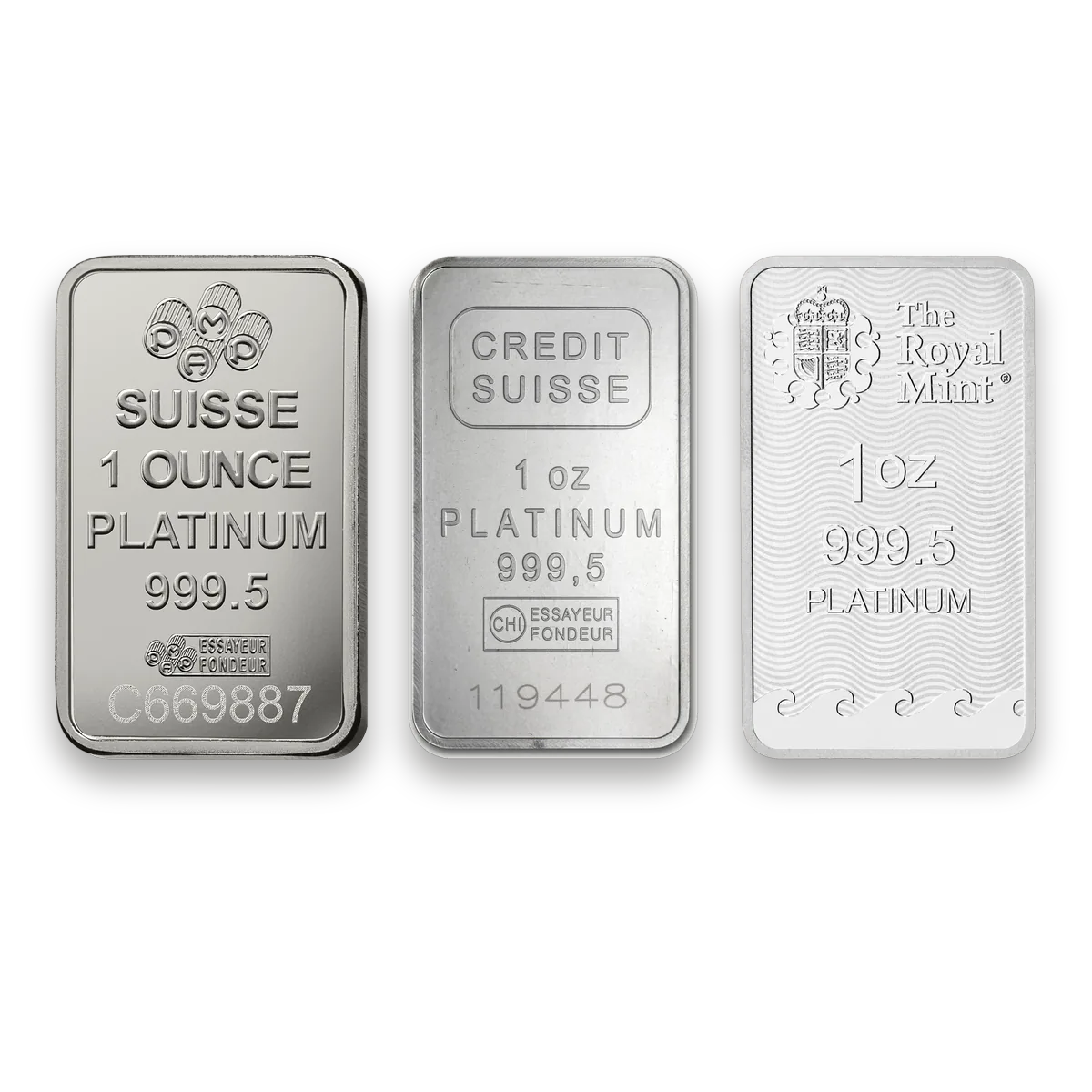
Beyond gold: what to know before buying silver, platinum and palladium
Silver, platinum and palladium can sit alongside gold or replace part of it, but they behave differently and usually cost more to buy relative to the market price. This guide explains what drives each metal, how VAT and premiums change the maths, and how to compare them before you buy.
The short answer
Silver, platinum and palladium are precious metals like gold, but they are also industrial raw materials. That makes their prices more sensitive to the economy and more volatile than gold's. In the UK, the EU and Switzerland they also carry VAT, which investment gold doesn't, and small silver coins carry much higher premiums than gold coins.
None of that makes them a bad choice, but it does mean the price you pay sits further above the market price, and the metal has further to rise before you break even. This guide sets out the differences so you can weigh them up. It isn't investment advice.
What drives each metal
Gold is bought mainly as jewellery, as an investment and by central banks. The other three metals depend much more on industry.
| Metal | Main uses | Things that can move the price |
|---|---|---|
| Silver | Electronics and electrical contacts, solar panels, jewellery and silverware, coins and bars | Industrial activity, demand from the solar industry, investment flows. Much silver is mined as a by-product of other metals such as lead, zinc and copper, so supply doesn't respond quickly to price. |
| Platinum | Catalytic converters (especially in diesel vehicles), jewellery, chemical and industrial processes, fuel cells | Vehicle production and emissions rules, mining output from a small number of countries, with South Africa the largest. |
| Palladium | Catalytic converters (mainly in petrol vehicles), electronics, dentistry | Vehicle production, emissions rules and supply from a handful of mining countries, mainly Russia and South Africa. |
Because platinum and palladium are so tied to car exhaust systems, the long-term shift towards battery electric vehicles, which have no exhaust, is one of the questions the market watches. How that plays out is uncertain.
More volatile than gold
Industrial demand rises and falls with the economy. On top of that, the markets for these metals are much smaller than the gold market, so a change in demand or supply can move the price further.
The result is that silver, platinum and palladium have historically had bigger price swings than gold, in both directions. If you're comparing, look at the same period for each metal on our gold price chart and silver price chart, and on the platinum and palladium charts.
VAT: the biggest cost difference
Investment gold is exempt from VAT in the UK, the EU and Switzerland. Silver, platinum and palladium are not: coins and bars alike are taxed at the standard rate of the delivery country.
For example, a silver coin priced at 100 before VAT costs 119 delivered to Germany (19%), 120 to France or the UK (20%) and 122 to Italy (22%). Deliveries to Switzerland, the US, Canada and the UAE are exports, so no UK or EU VAT is charged, but you may have to pay import taxes or duties on delivery: Switzerland, for example, charges import VAT of 8.1%, and some US states charge sales tax on bullion, so check the rules where you live.
VAT matters because, when you sell to a dealer later, you are usually paid a price based on the metal value, not one that refunds the VAT you paid. In practice the metal has to rise by roughly the VAT rate, plus the premium, before you are back where you started. The arrangement that once let some EU dealers sell new silver coins with VAT charged only on their margin has largely ended since 2025.
Tax on selling (capital gains) is a separate question and differs by country. In the UK, for example, some British legal-tender coins such as Britannias are generally exempt from Capital Gains Tax for individuals. Rules change, so check with a tax adviser before relying on any of this.
Premiums, liquidity and storage
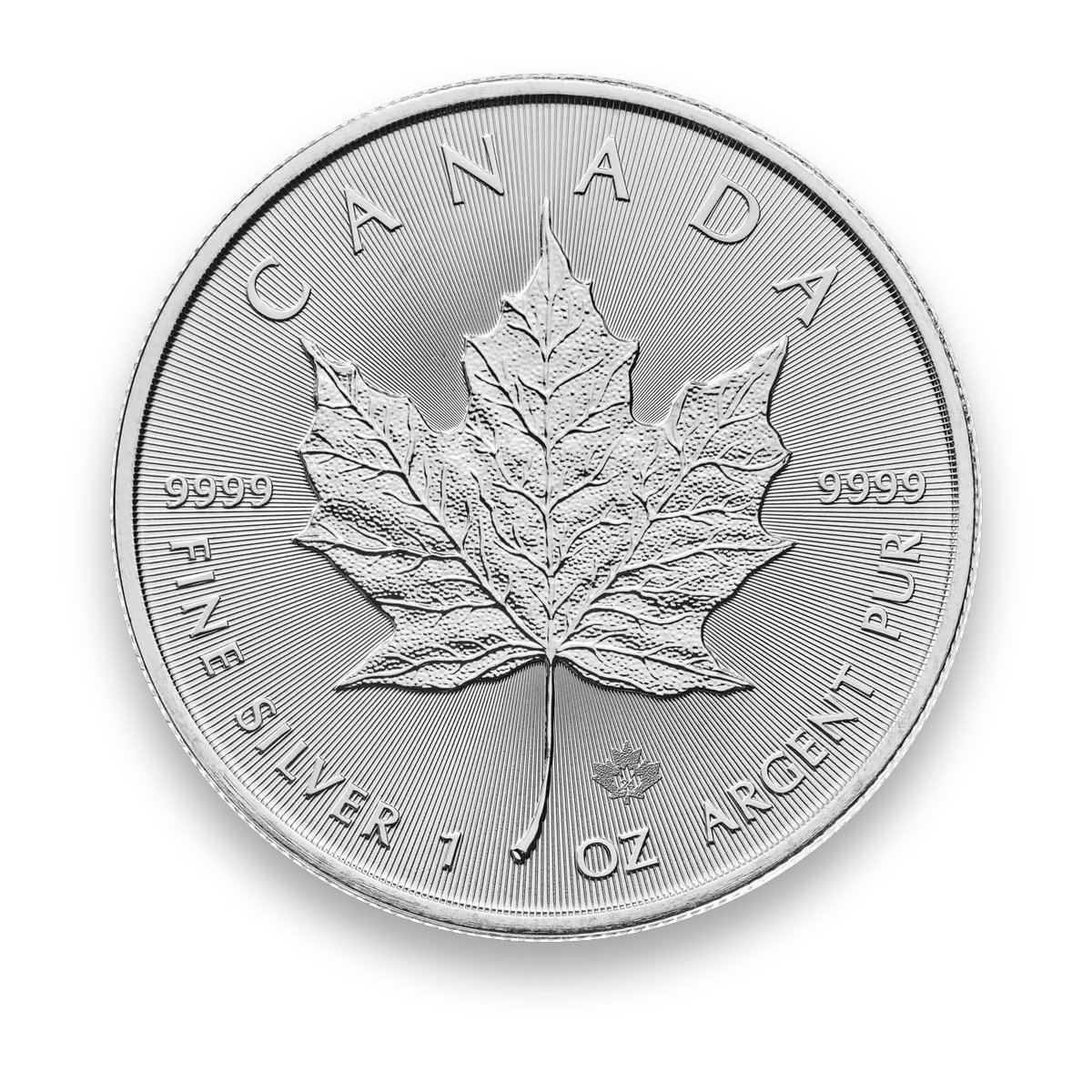
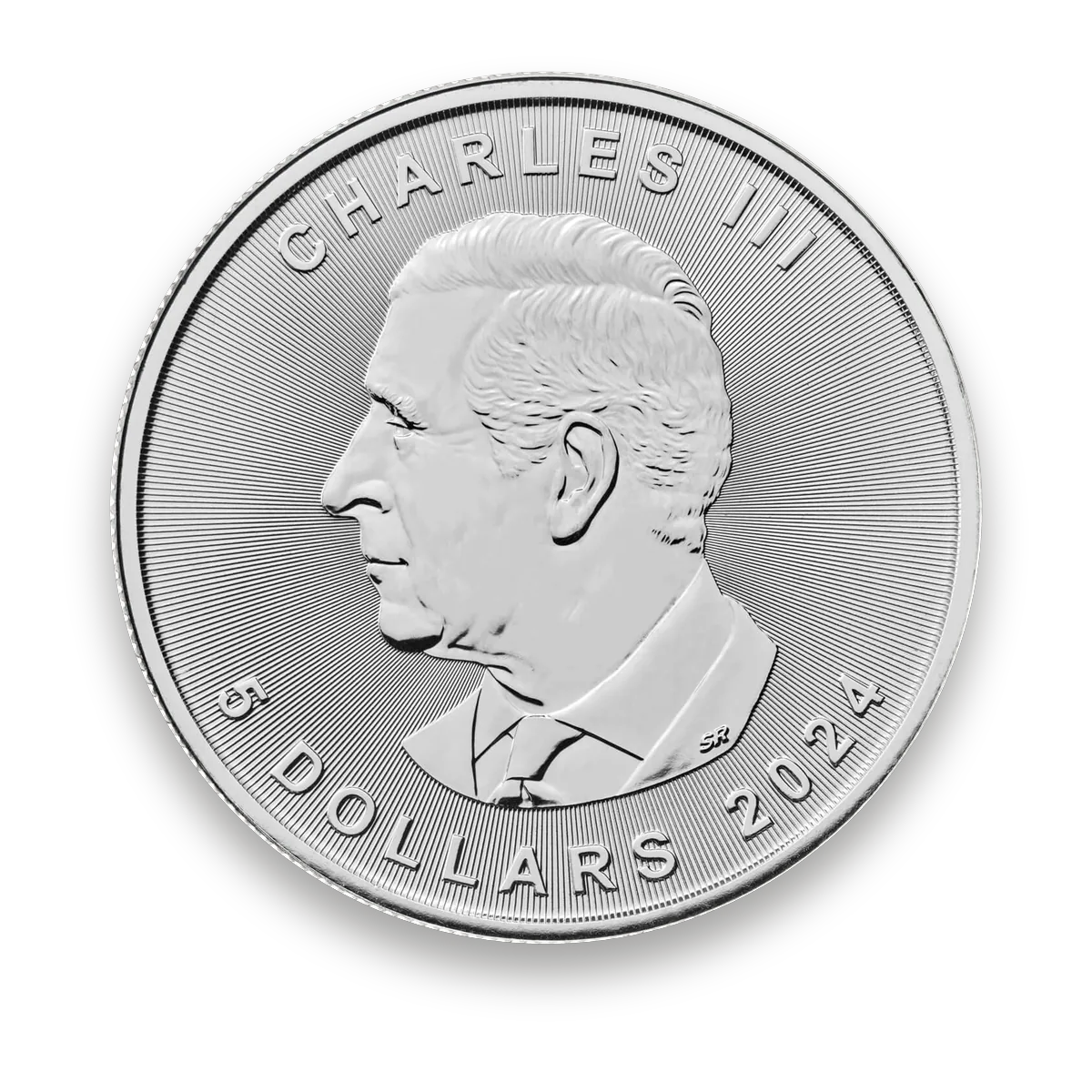
Premiums. Every coin and bar costs more than its metal value, to cover minting, fabrication and distribution. For silver this extra is much larger, because the metal value of a silver coin is small compared with the cost of making and handling it. At the time of writing, 1 oz silver coins on our site carry premiums of around 20% or more, against a few percent for 1 oz gold coins. Larger silver bars bring the premium down: our 1 kg silver bar, the largest we sell, has the lowest in the silver range. Platinum and palladium premiums sit between the two.
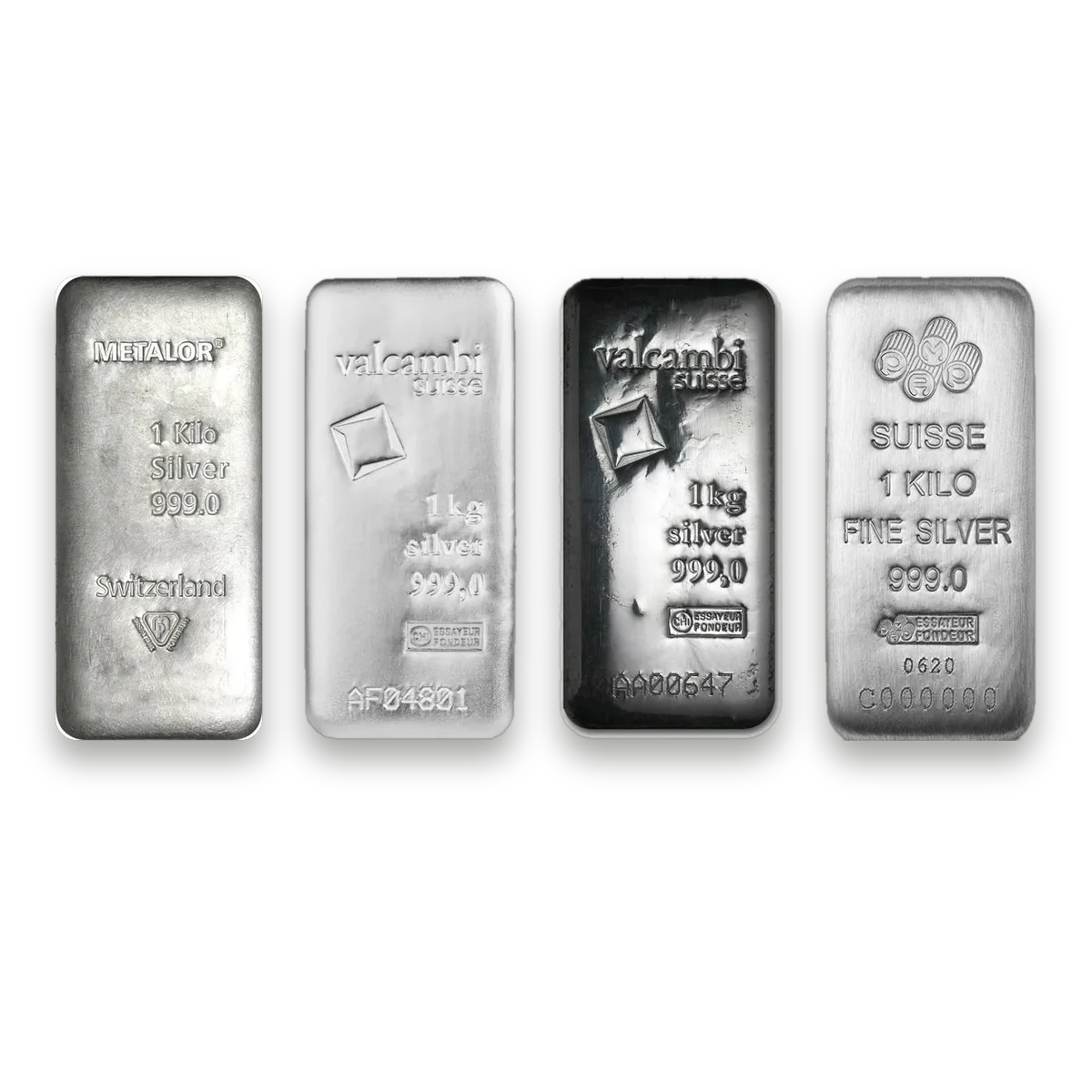
Silver bar 1 kg
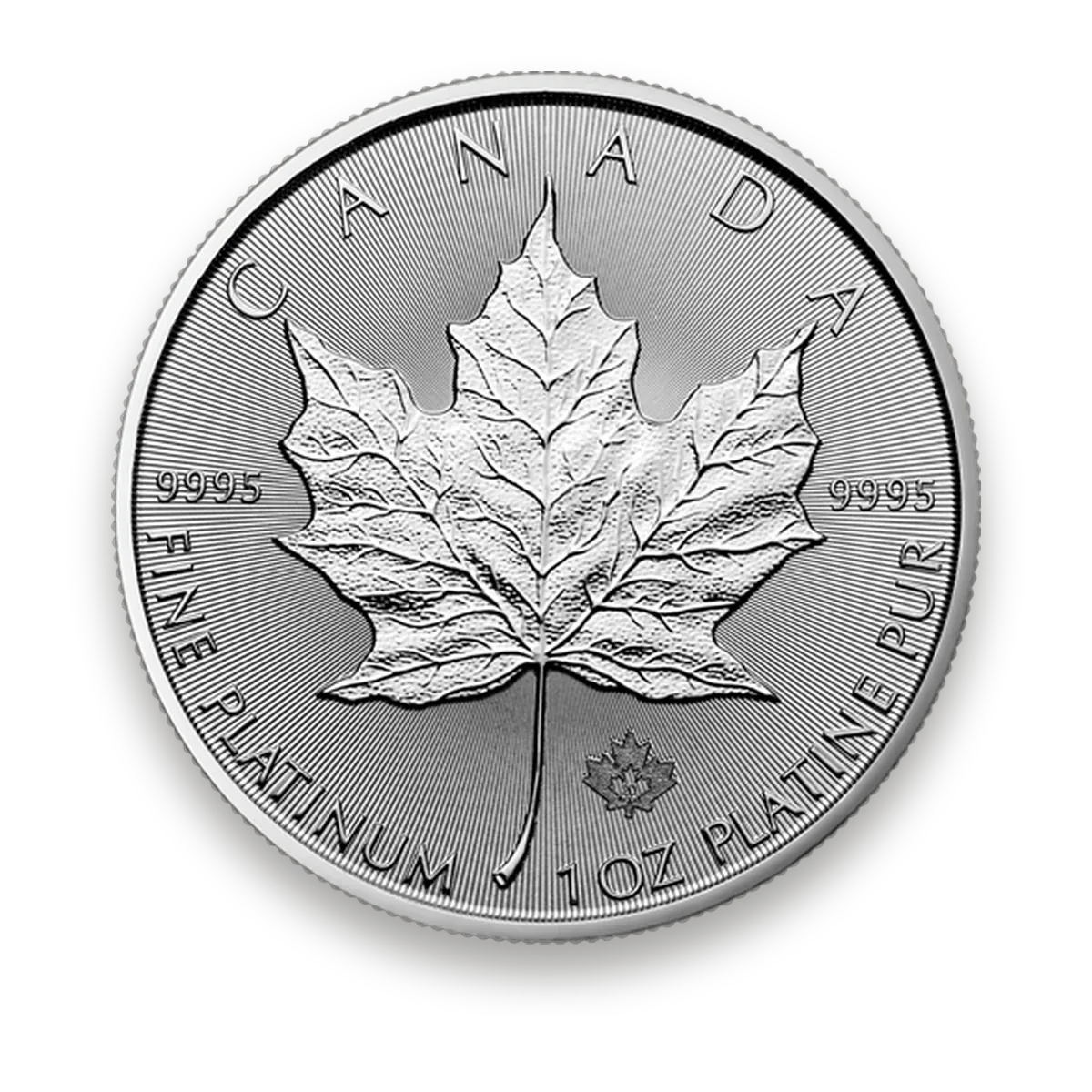
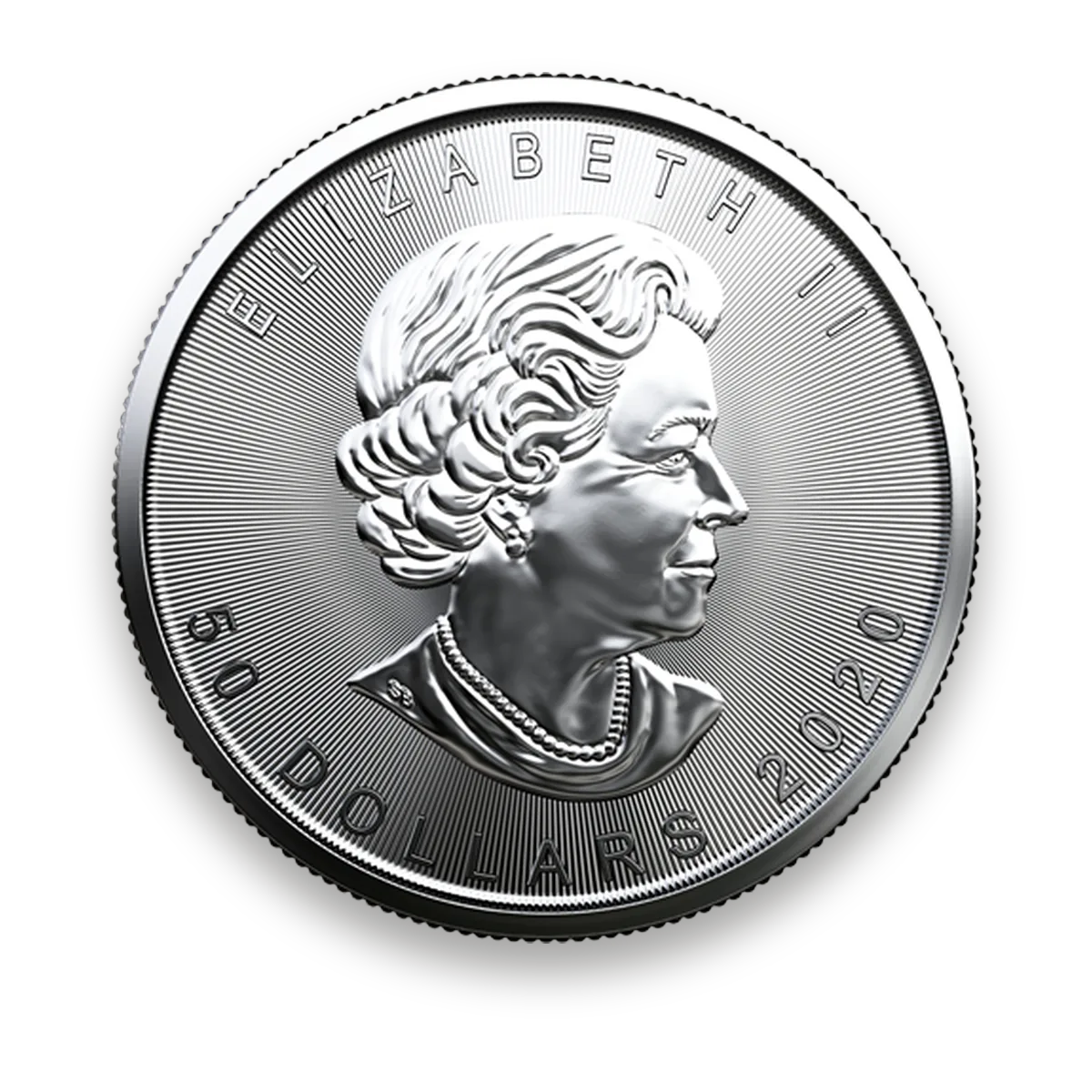
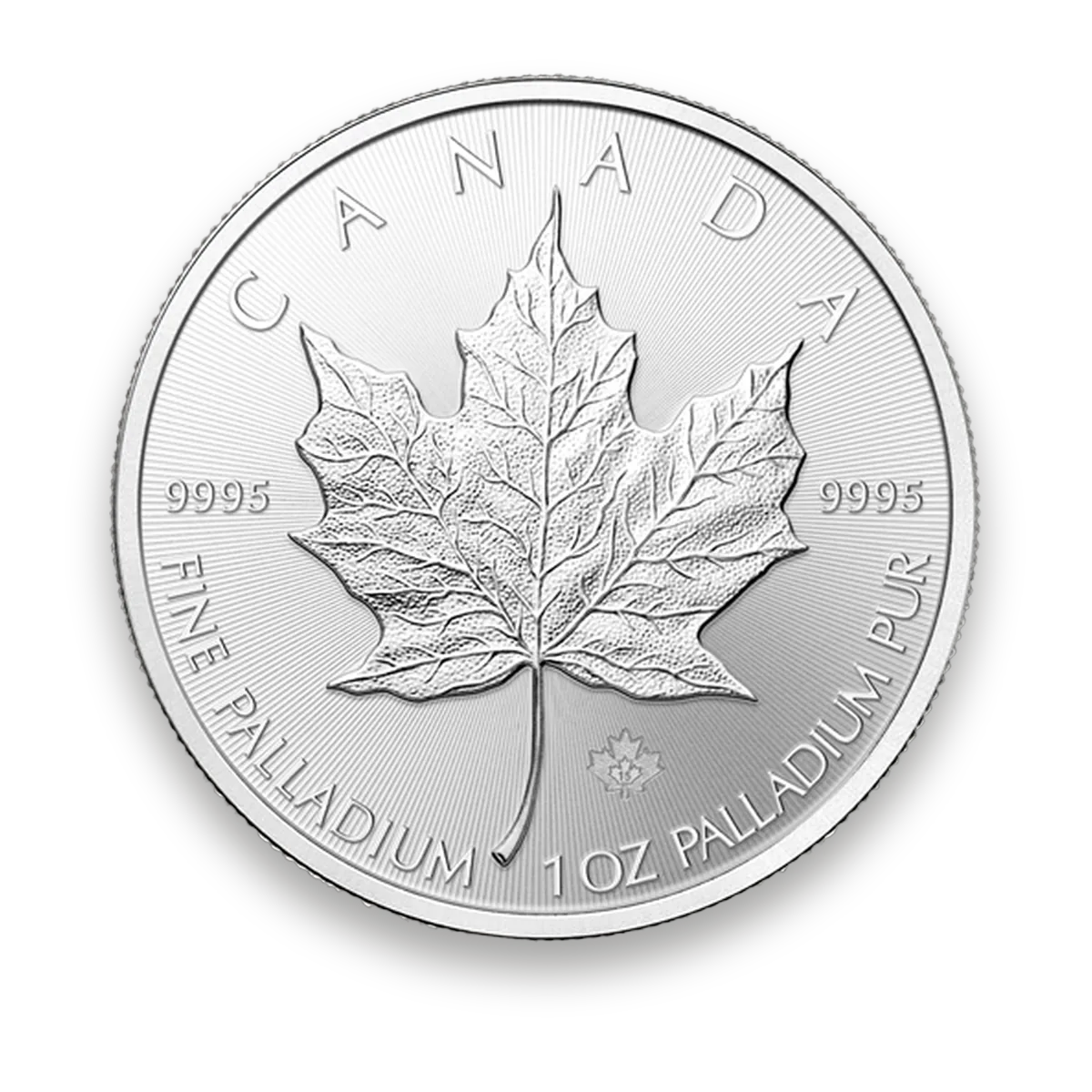
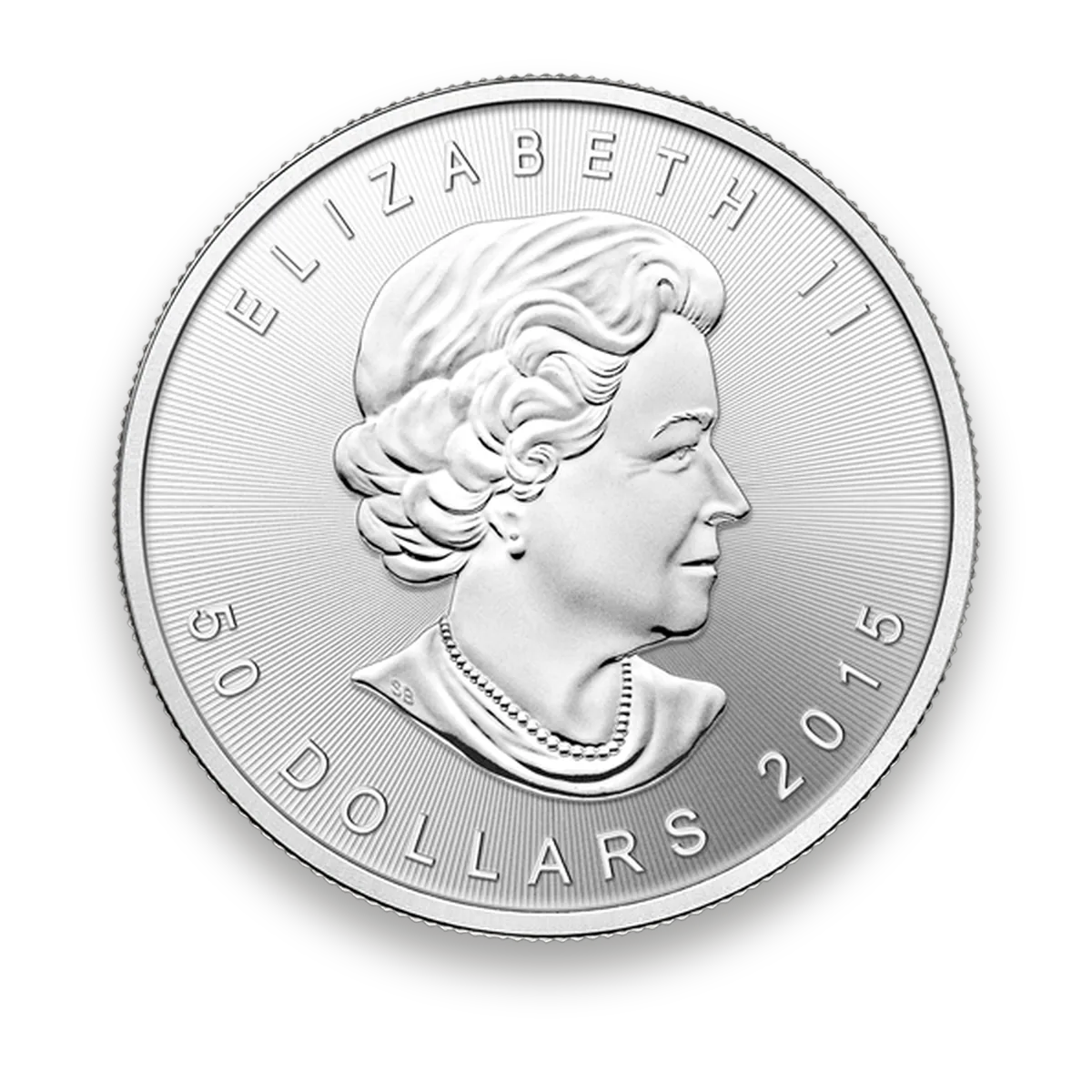
Liquidity. Gold and silver coins are recognised by dealers almost everywhere. Platinum and palladium are traded in much smaller markets: fewer dealers stock them, and the gap between buying and selling prices can be wider. You may need to shop around more when you want to sell.
Storage. Silver is bulky for its value. The same sum that buys a single gold coin can buy many ounces of silver, which take up far more room in a safe and may need more insurance cover. Silver also tarnishes over time, which doesn't change its metal content. Platinum and palladium are compact, much like gold.
The gold/silver ratio
The gold/silver ratio is the price of an ounce of gold divided by the price of an ounce of silver: in other words, how many ounces of silver one ounce of gold would buy. Some buyers watch it to judge whether silver looks cheap or expensive relative to gold, and switch between the two when they think it has moved too far.
The ratio has varied widely over the years, and there is no level it is bound to return to. To see it for yourself, compare the gold and silver charts for the same date and currency and divide one price by the other. It's one way of looking at the market, not a signal.
How to compare the metals on CC Holdings
- Set your delivery country first. Prices include the VAT for your delivery country, so silver, platinum and palladium prices change when you switch it, while most gold prices don't.
- Read the premium on each product page. It shows how far the price sits above the value of the fine metal. Compare similar sizes: 1 oz coin with 1 oz coin, or bar with bar.
- Check the basket. VAT is shown separately in the basket and on your invoice, so you can see exactly how much of the total is tax.
- Look at the charts. Each metal has a price chart in six currencies (pounds sterling, euros, US dollars, Swiss francs, Canadian dollars and UAE dirhams), from 1 month to 5 years.
- Order as usual. Checkout works the same way for every metal, as described in how to buy gold online: your price is locked for 10 minutes while you place the order, and you pay by bank transfer within 2 days.
Common questions
Should I buy silver instead of gold?
That depends on your reasons, how long you plan to hold and how much price movement you can live with. Silver costs more relative to its metal value because of VAT and higher premiums, and its price tends to swing more. If you're unsure, speak to an independent financial adviser.
Why is silver so much more expensive than the spot price?
Two reasons: VAT is added for deliveries to the UK and the EU (and import VAT may be due on delivery in Switzerland), and the premium for minting and handling is a much bigger share of a low-value coin. Larger bars reduce the premium, but not the VAT.
Are platinum and palladium harder to sell?
They are traded in smaller markets than gold and silver, so fewer dealers buy them and the difference between buying and selling prices can be wider. Well-known coins and bars from recognised refiners are usually the easiest to resell. CC Holdings also buys back platinum and palladium coins and bars, as well as gold and silver, at 97% of the live spot value of their fine metal content, with no fees or commission: you can request a quote on our Sell to us page.
Do the identity checks apply to all metals?
Yes. Identity verification is needed once your paid orders within 12 months reach €5,000, whichever metals you buy.