How the silver price is set
Like gold, silver trades around the clock, and the price you see quoted is the spot price of one troy ounce of pure silver in US dollars. The LBMA Silver Price, set once each working day in London, is the main benchmark, and COMEX silver futures in New York are the most actively traded silver contracts in the world.
Our charts show daily closing prices of COMEX silver futures, which follow the spot price closely. Prices in pounds sterling, euros, Swiss francs, Canadian dollars and UAE dirhams are converted at each day's reference exchange rate.
What moves the price of silver
Silver is both a precious metal and an industrial one. More than half of all silver is used by industry, in electronics, solar panels, batteries and medical products, so the silver price responds to the economy as well as to the forces that move gold, such as interest rates, inflation and the US dollar.
Because the silver market is much smaller than the gold market, its price tends to move further and faster in both directions. Investors often see silver as a more volatile companion to gold.
The gold/silver ratio
The gold/silver ratio is the number of ounces of silver needed to buy one ounce of gold. It has swung widely over the decades, from about 30 in 2011 to above 120 in 2020. Some investors use it as a rough guide, buying silver when the ratio is high and gold when it is low.
The silver price in pounds, euros and other currencies
Silver is priced in US dollars, so the price in pounds, euros, Swiss francs or Canadian dollars also depends on the exchange rate. We convert each day's dollar price at that day's reference exchange rate. The UAE dirham is pegged to the US dollar, so the dirham price follows the dollar price almost exactly.
The comparison chart above shows how the price of an ounce of silver has changed in each currency over the same period. When the dollar strengthens, silver gets more expensive in pounds, euros, francs and Canadian dollars, even if the dollar price is unchanged.
Spot price and the price you pay
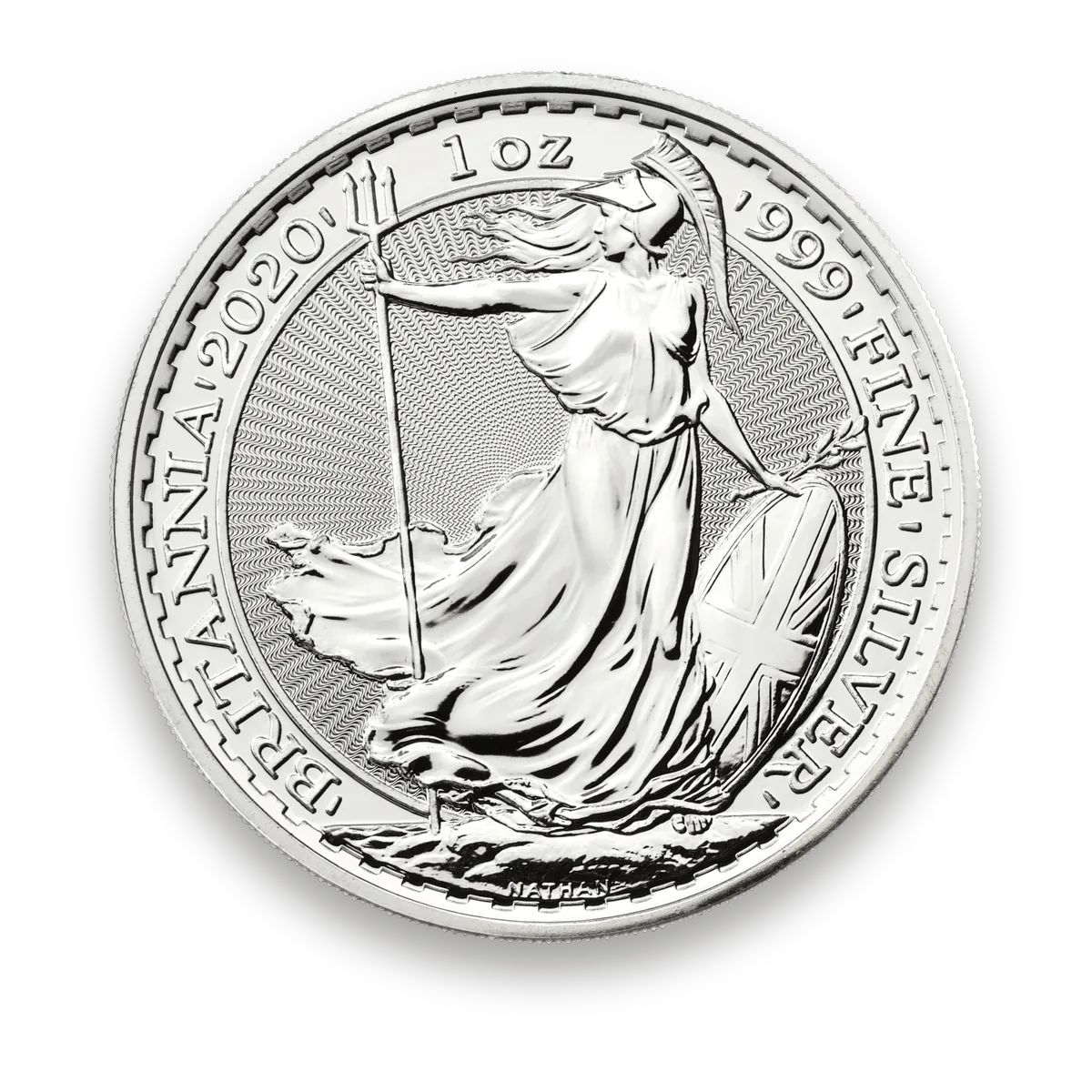
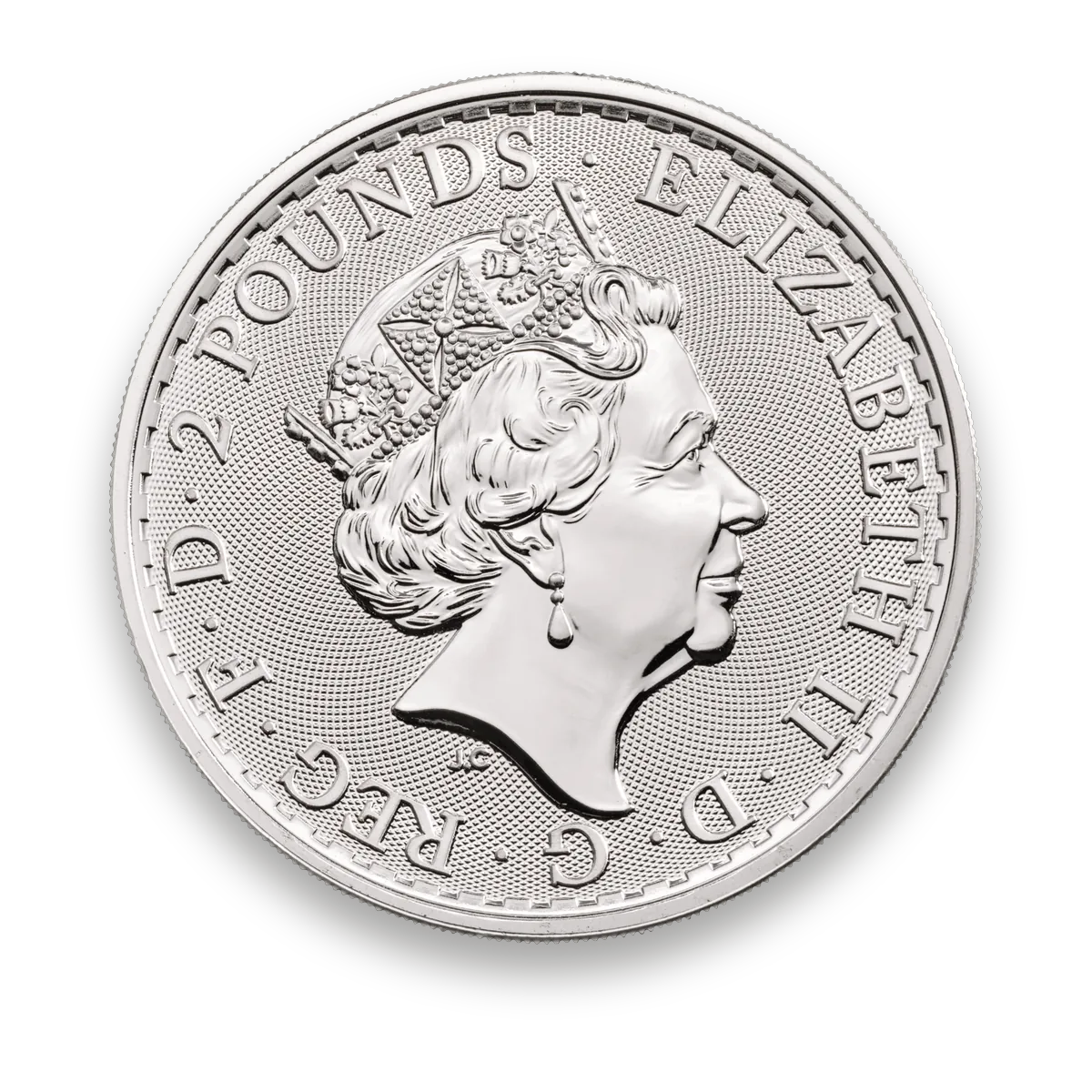
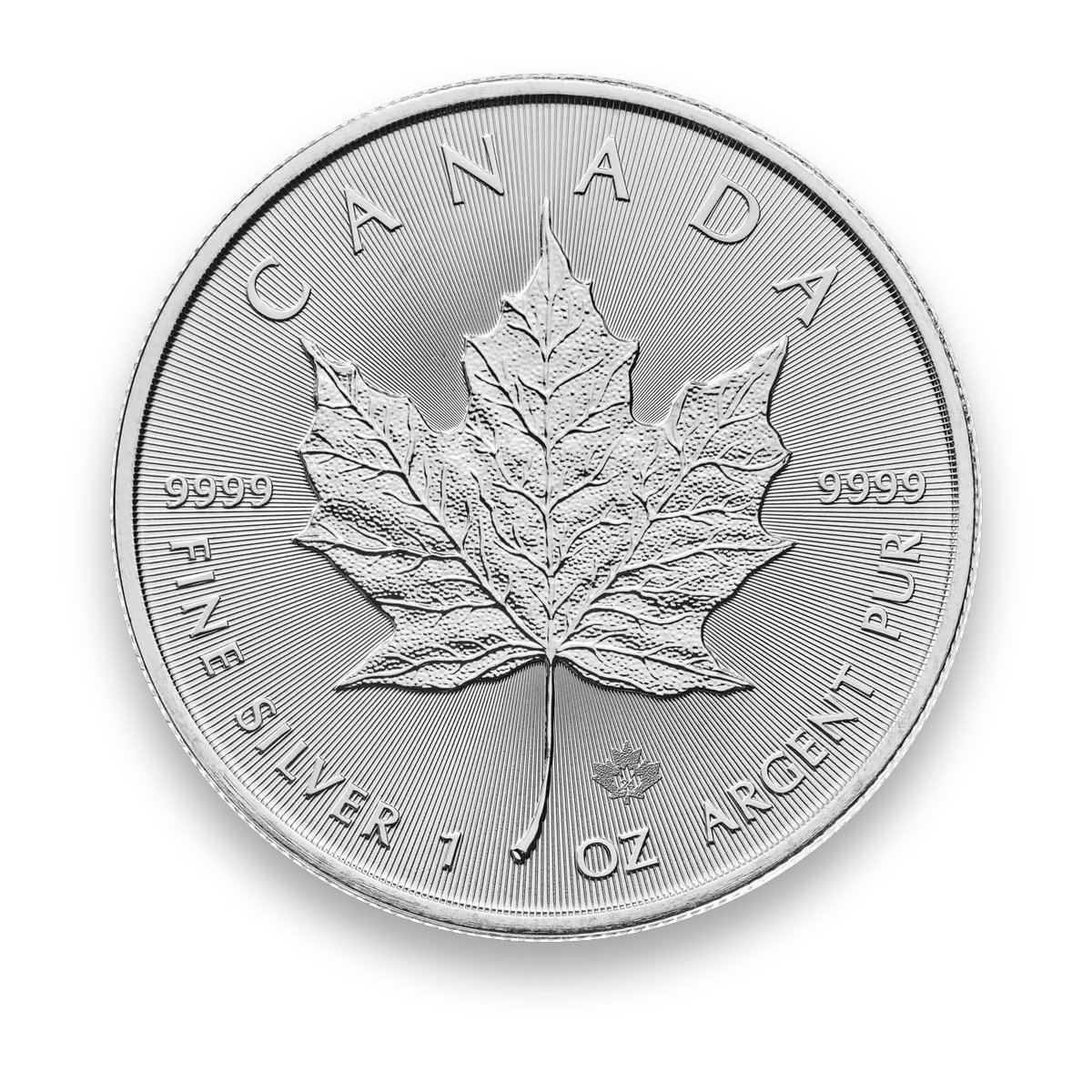
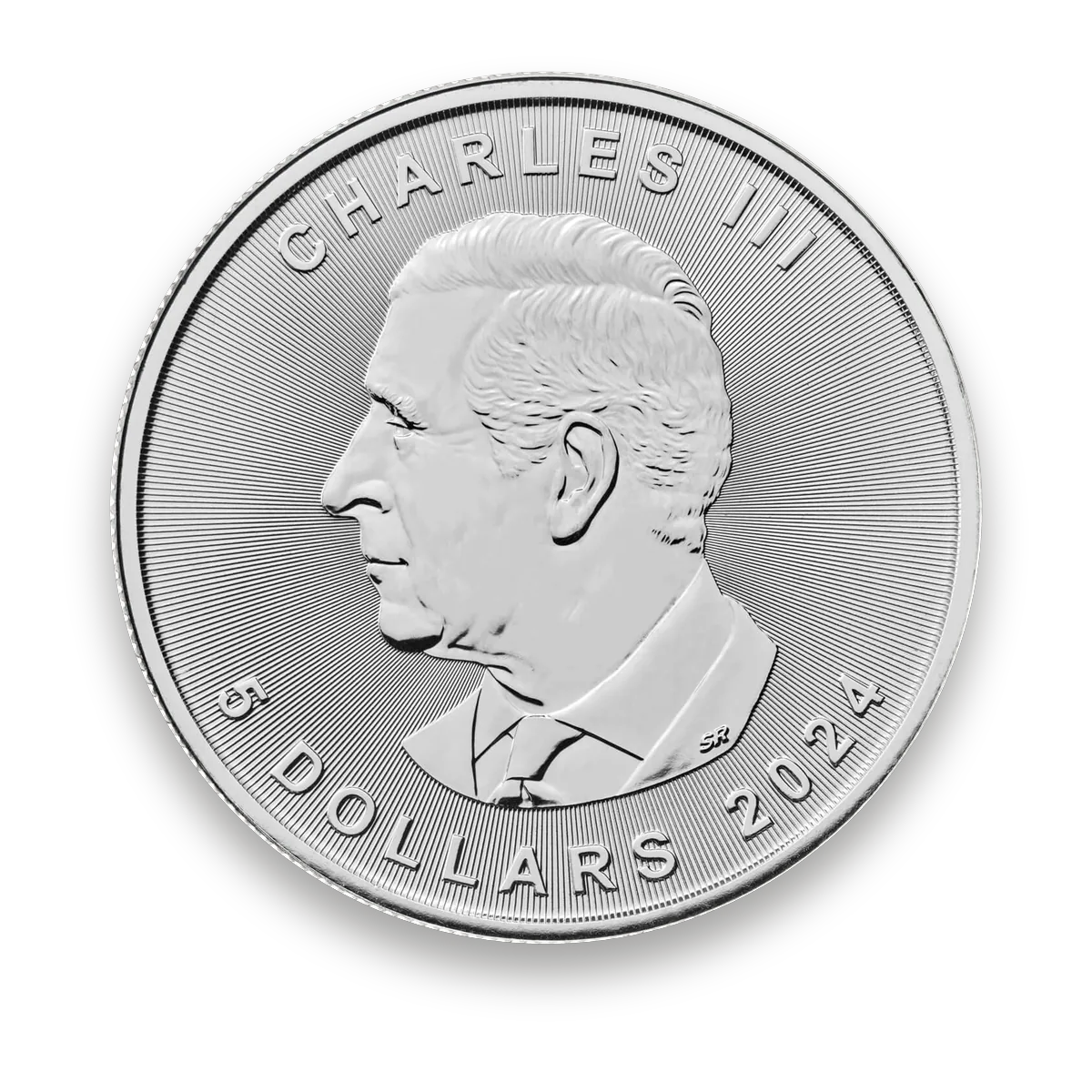
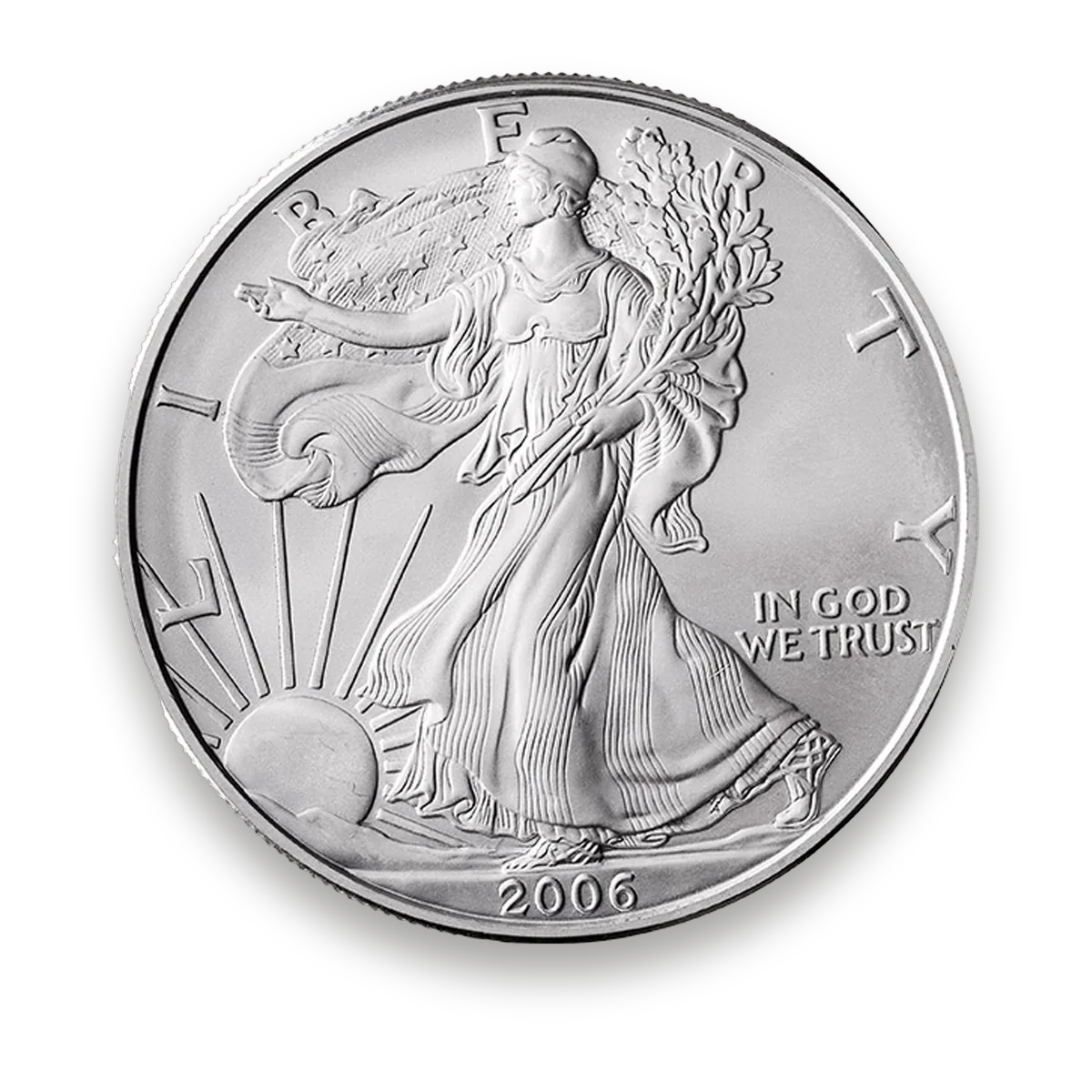
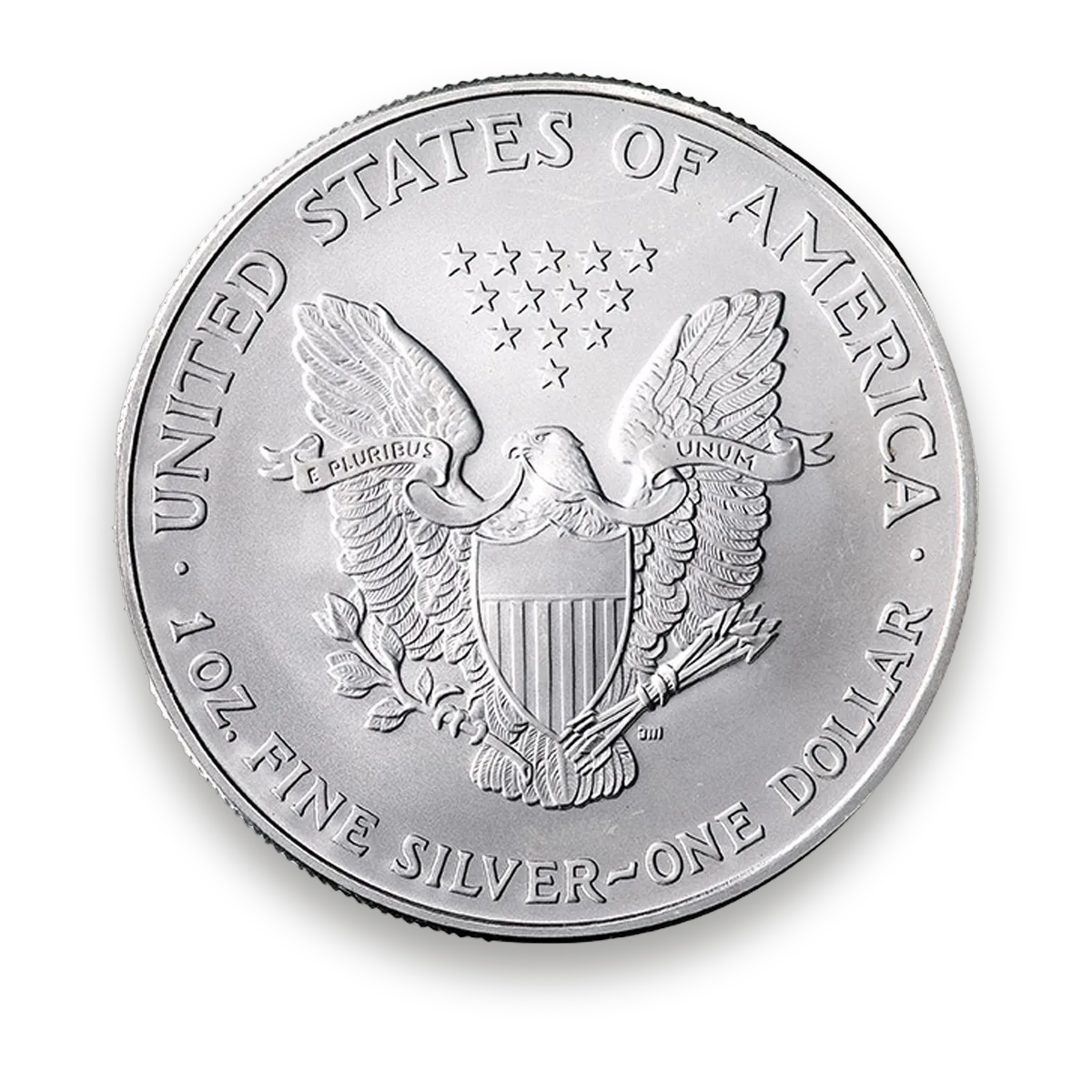
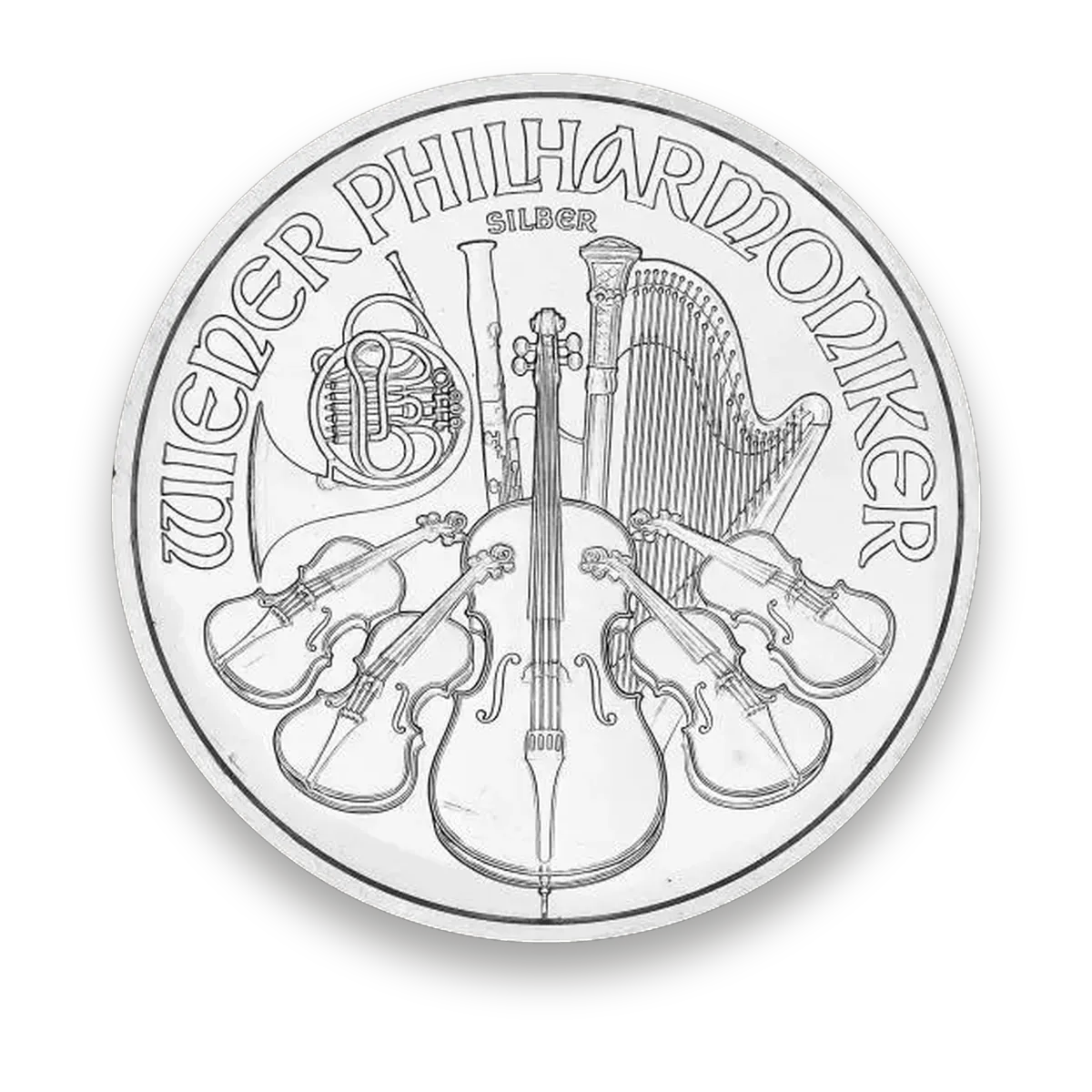
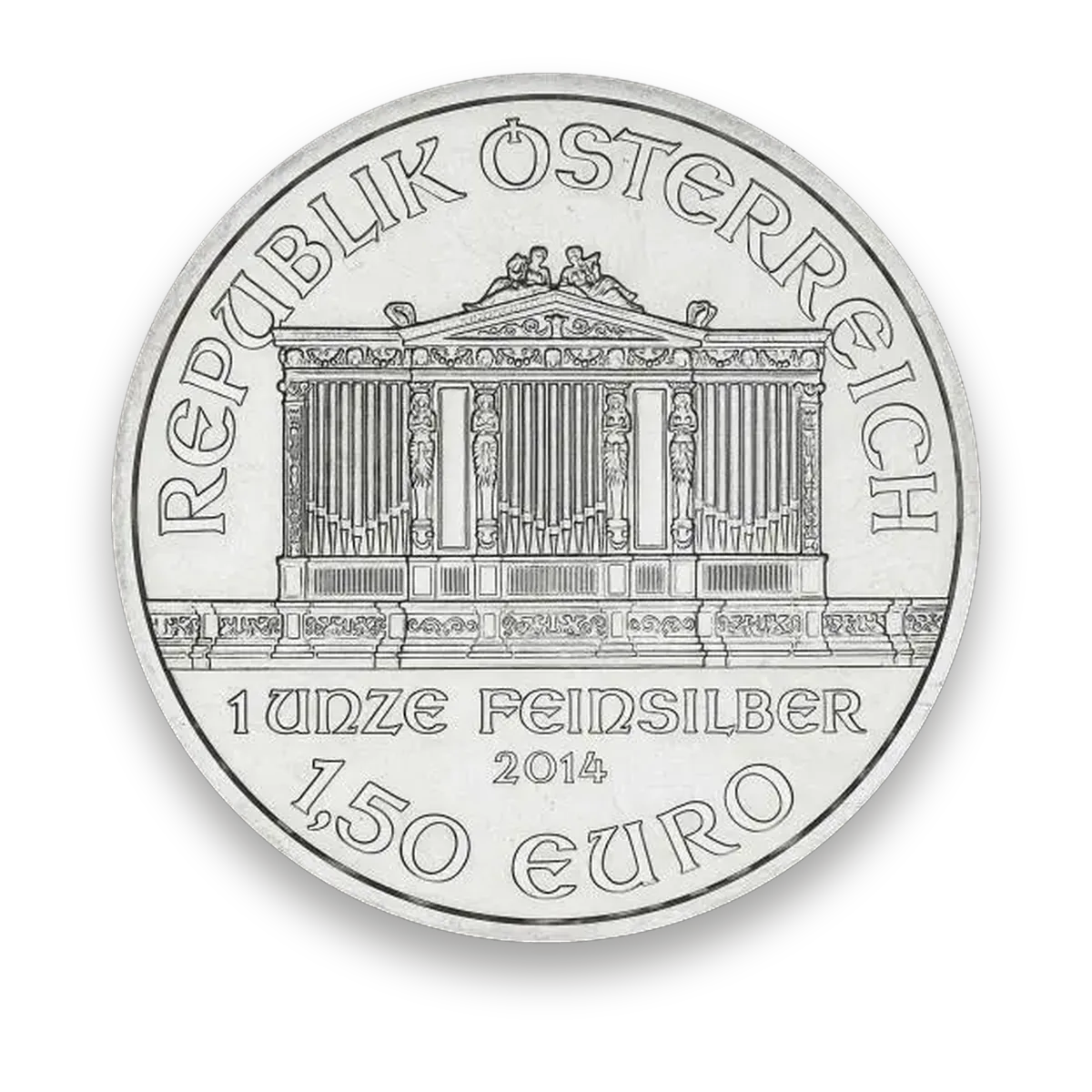
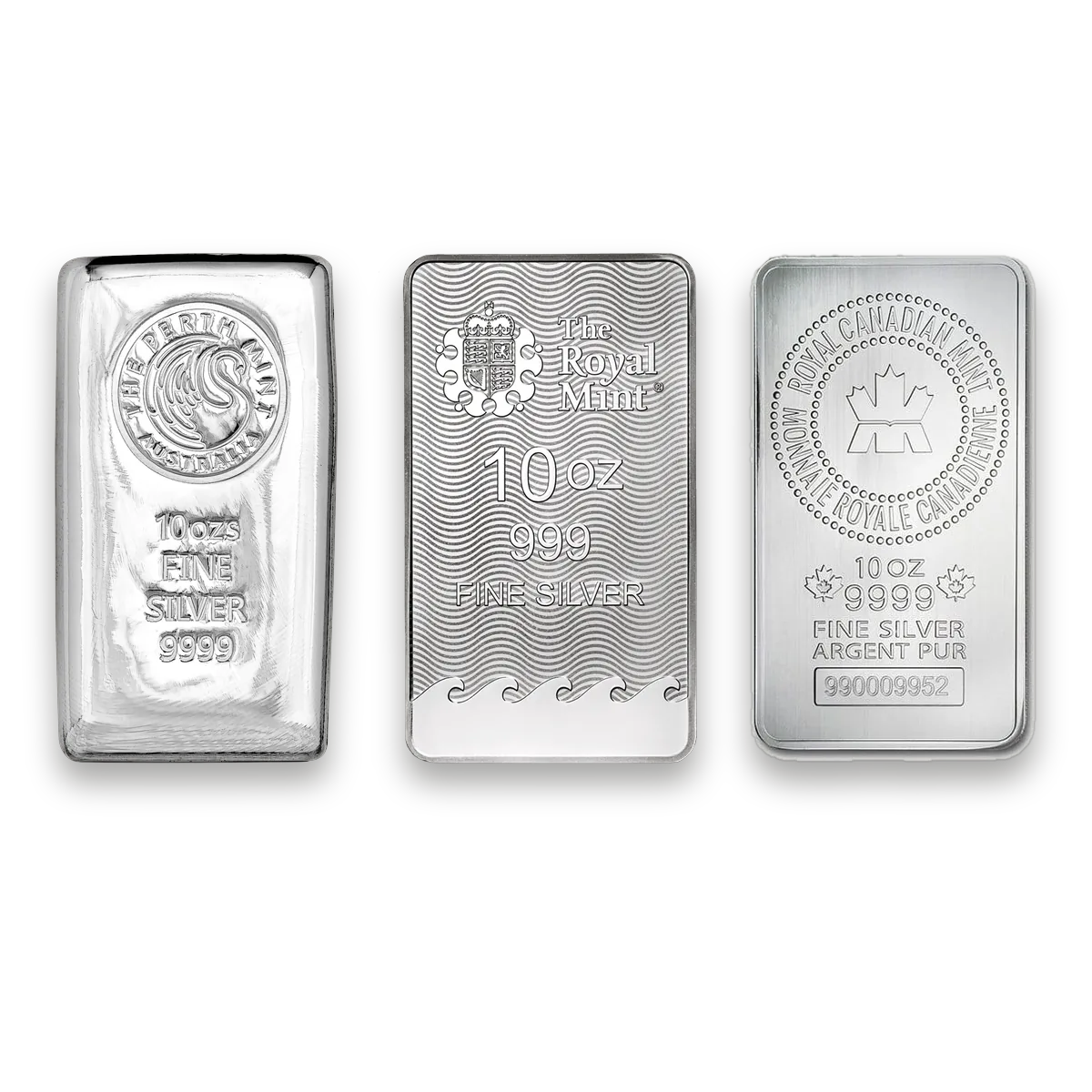
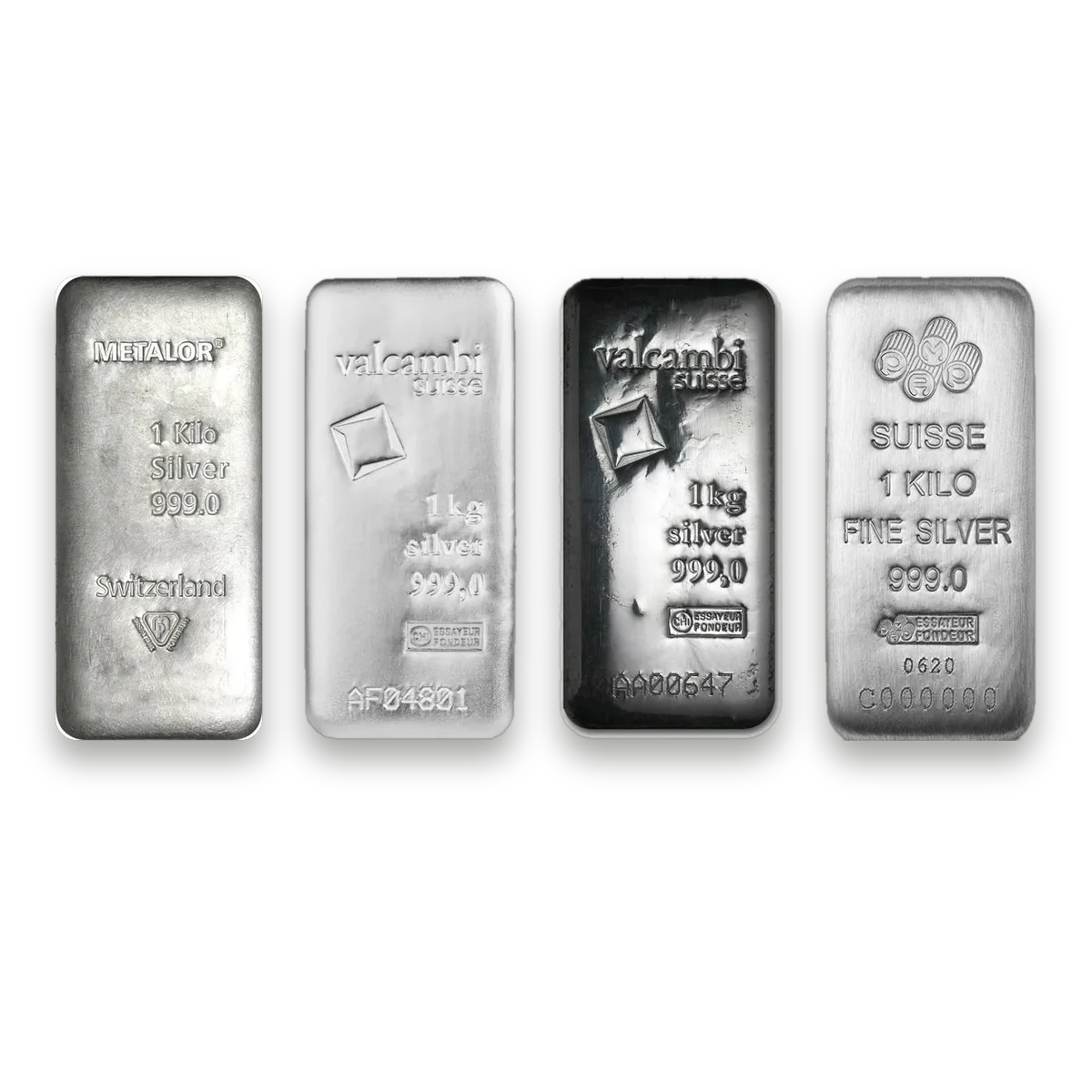
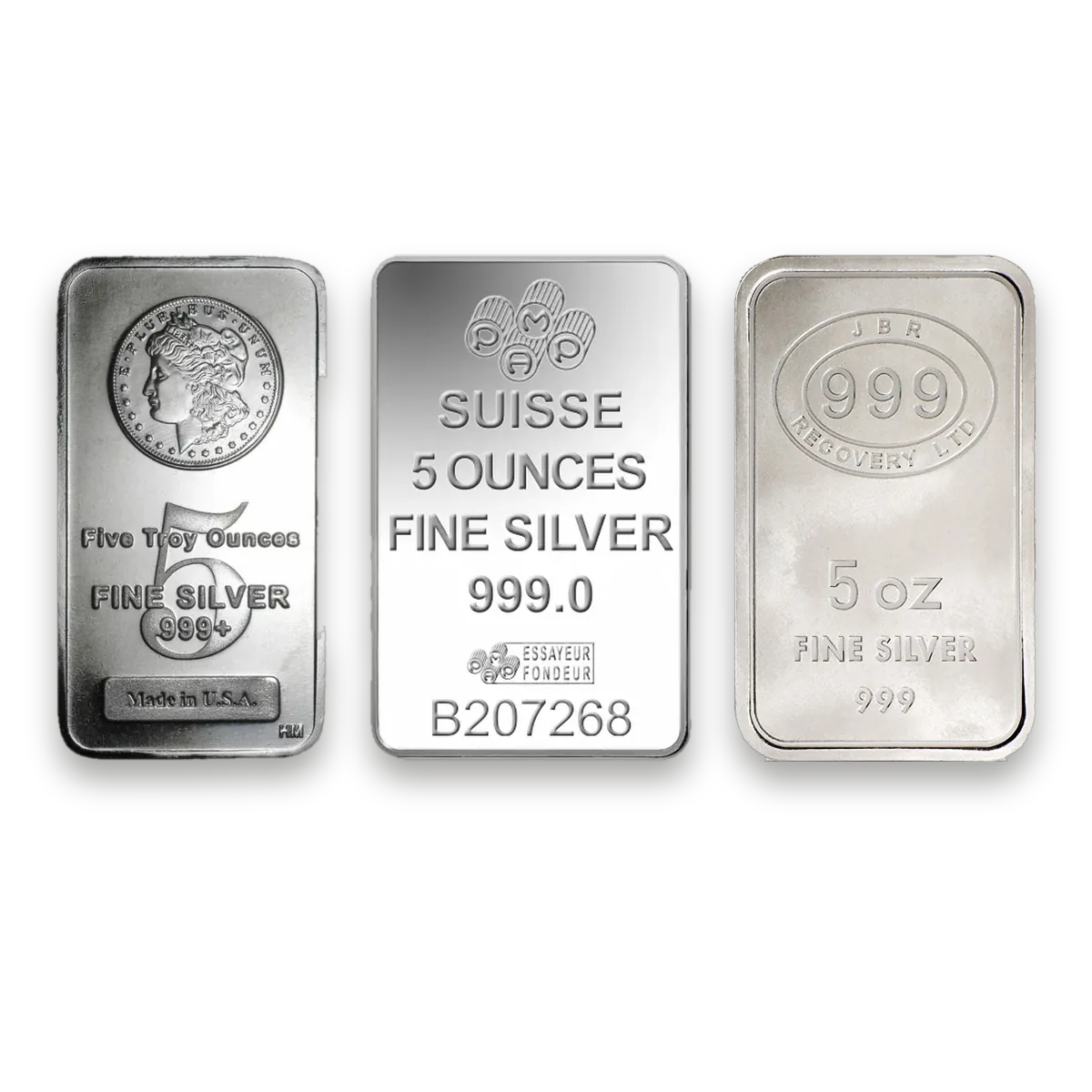
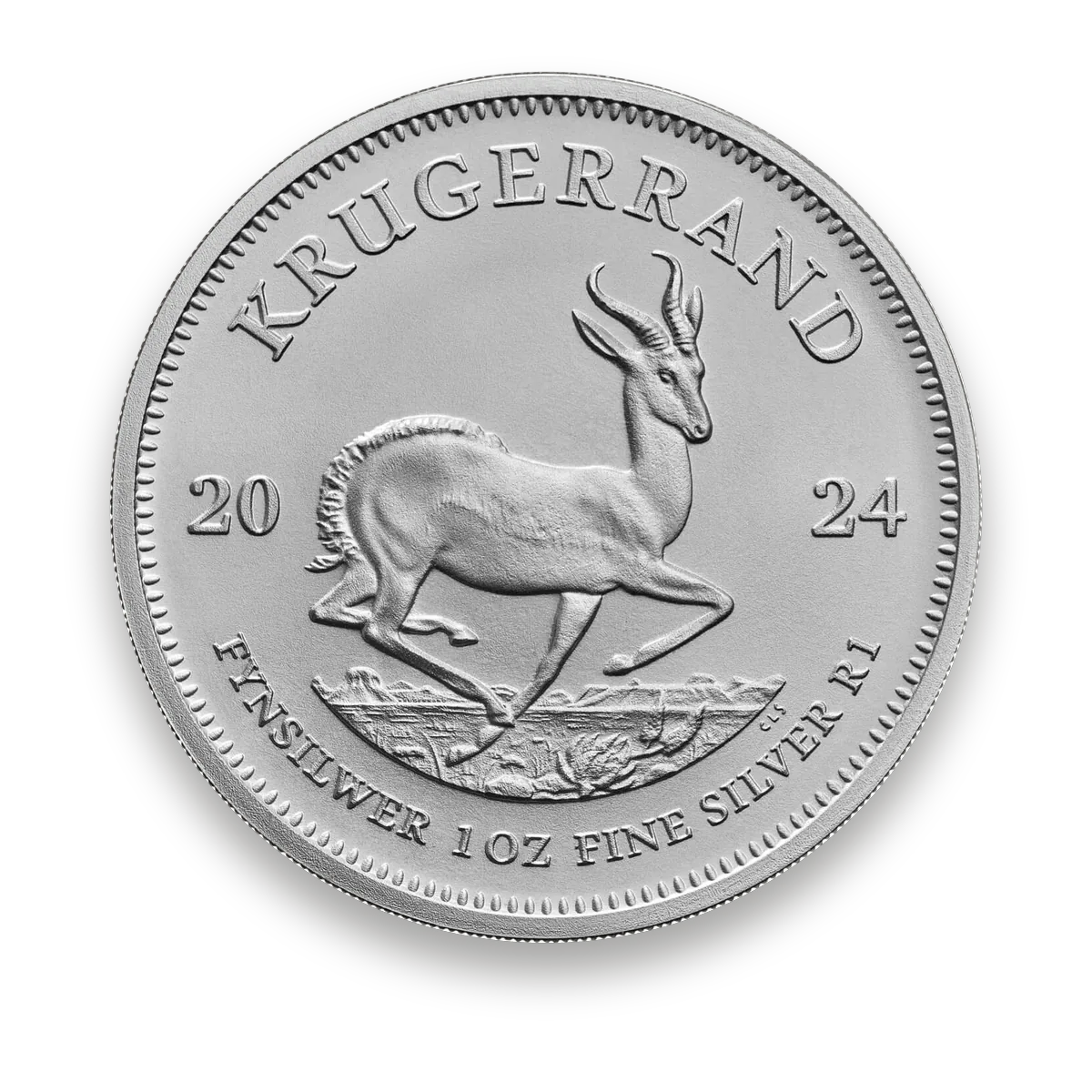
Silver coins and bars sell for the spot price plus a premium. As a share of the price, silver premiums are higher than gold premiums, because minting, packing and shipping cost about the same per coin while an ounce of silver is worth much less. Larger bars carry the lowest premiums; our silver range goes up to the 1 kg bar.
Every product in our shop is priced from the live spot price plus a stated premium, and your price is locked for 10 minutes at checkout. Any VAT for your delivery country is shown before you order.
Frequently asked questions
What is the silver price today?
One troy ounce of silver currently costs about £37.31, €44.71, US$49.93, CHF 41.20, CA$69.81 or AED 183.37 at the spot price, before any premium or VAT. Prices on this page update with the live market.
Why does silver have a higher premium than gold?
Making and distributing a coin or bar costs roughly the same whatever the metal, but an ounce of silver is worth far less than an ounce of gold. Those costs are therefore a bigger share of a silver product's price.
Is the price on the chart the price I pay?
No. The chart shows the spot price of silver. Coins and bars sell for spot plus a premium, shown on each product page alongside the live price in your chosen currency.
Why is silver more volatile than gold?
The silver market is much smaller, and more than half of demand comes from industry, so changes in the economy and in investor interest can move its price sharply.
How often are the silver prices updated?
The live silver price used across the shop updates every few minutes. The charts use daily closing prices and are refreshed every few hours.
Can I sell silver to you?
Yes. We buy silver coins and bars at 97% of the live spot value of their fine silver content, with no fees or commission. Request a quote on our Sell to us page and we will confirm the price by email within one working day.