Troy ounces, grams and purity: how gold is weighed and measured
Gold is weighed in troy ounces and grams, and its purity is given in parts per thousand or carats. This guide explains the units, shows a conversion table and explains why a 22-carat coin still contains a full ounce of fine gold.
The short answer
Precious metals are weighed in troy ounces, not the ordinary ounces used for food. One troy ounce is 31.1035 g, about 10% heavier than an ordinary ounce. Bars are also made in grams and kilograms.
Purity, or fineness, is given in parts per thousand: 999.9 means 99.99% gold. Coins made of 22-carat gold (916.7) weigh more than an ounce in total, but still contain one full ounce of pure gold. That pure content, the fine weight, is what the price of a coin or bar is based on.
Troy ounces, ordinary ounces and grams
There are two kinds of ounce in common use:
- The troy ounce (oz t) is 31.1035 g. It is the standard unit for gold, silver, platinum and palladium, and wholesale metal prices are normally quoted per troy ounce.
- The ordinary or avoirdupois ounce (oz) is 28.3495 g. It is used for everyday goods such as food and post.
So when a coin is described as "1 oz", it means one troy ounce. One kilogram is about 32.15 troy ounces.
| Weight | Troy ounces | Ordinary ounces |
|---|---|---|
| 1 g | 0.0322 oz t | 0.0353 oz |
| 5 g | 0.1608 oz t | 0.1764 oz |
| 10 g | 0.3215 oz t | 0.3527 oz |
| 20 g | 0.6430 oz t | 0.7055 oz |
| 31.1035 g (1 oz t) | 1.0000 oz t | 1.0971 oz |
| 50 g | 1.6075 oz t | 1.7637 oz |
| 100 g | 3.2151 oz t | 3.5274 oz |
| 1 kg | 32.1507 oz t | 35.2740 oz |
If you weigh a 1 oz coin on a kitchen scale set to ounces, it will show about 1.1 oz, not 1. That is not a sign of a problem: the scale is using the ordinary ounce.
Fineness and carats
Purity is shown in two ways. Fineness gives the parts of pure metal per thousand. Carats (ct) divide gold into 24 parts, so 24 carat is pure gold and 22 carat is 22 parts gold out of 24.
| Fineness | Carats | Gold content | Typical examples |
|---|---|---|---|
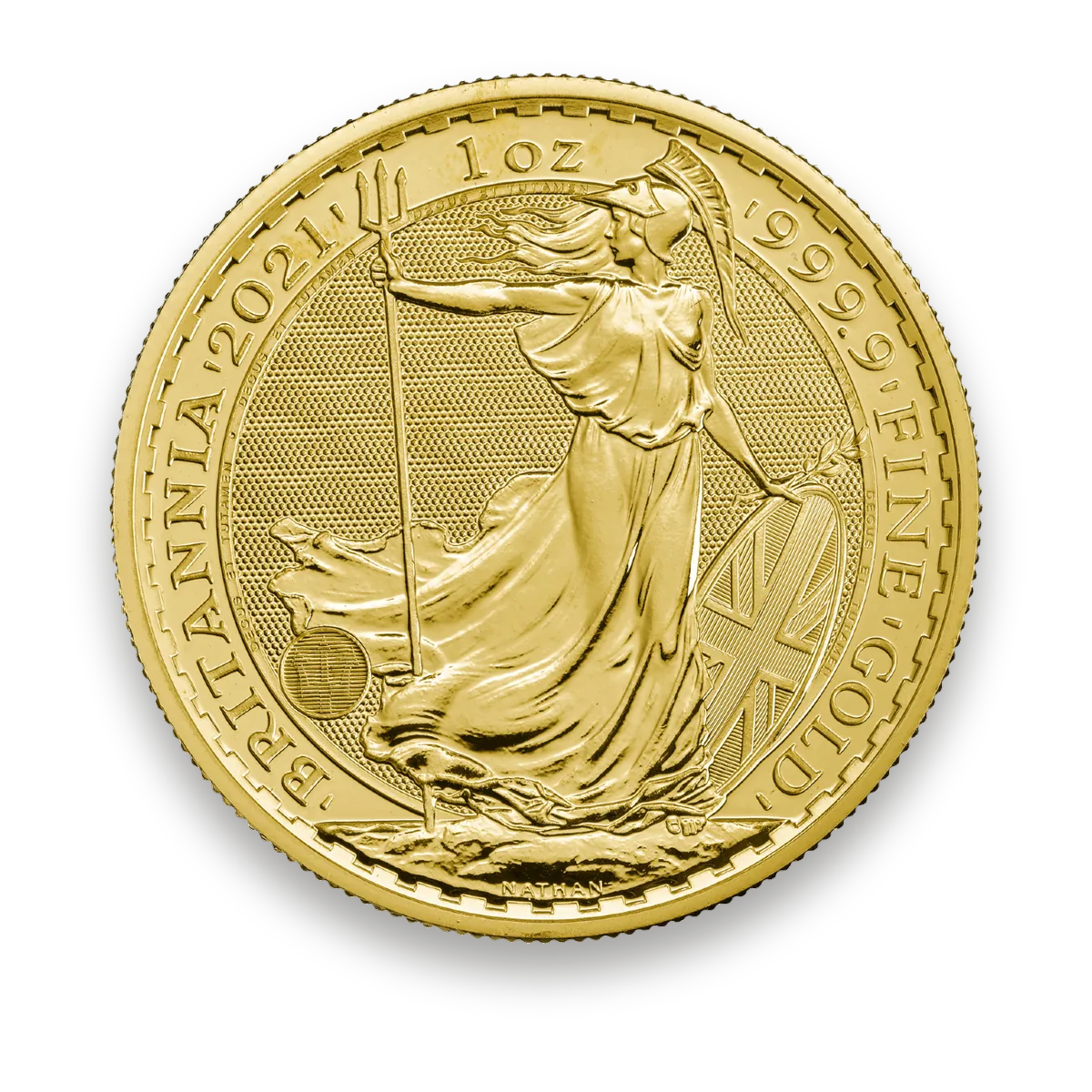
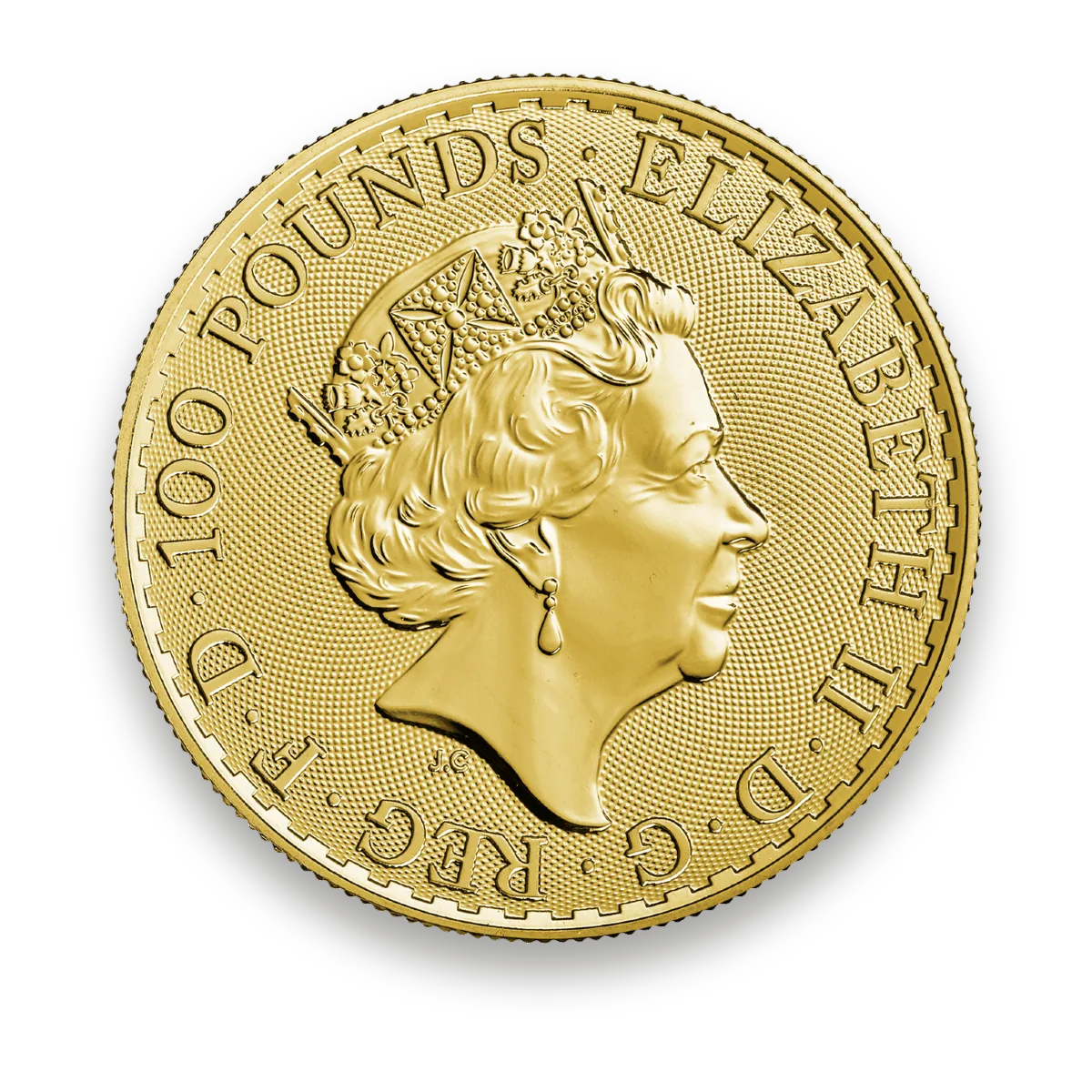
| 999.9 | 24 ct | 99.99% | Britannia (since 2013), Maple Leaf, Vienna Philharmonic, Kangaroo, most bars |
| 999 | 24 ct | 99.9% | Some bars and coins |
| 916.7 | 22 ct | 91.67% | Krugerrand, Sovereign, American Eagle |
| 900 | about 21.6 ct | 90% | Many older European coins, such as the Swiss 20-franc Vreneli and French 20-franc Napoléon |
"Carat" for gold purity is different from the carat used to weigh diamonds, which is a unit of weight.
Why a 22-carat coin still holds a full ounce
A 22-carat coin is not "less gold" than a 24-carat coin of the same denomination. The mint simply adds other metals on top of the full ounce of gold.
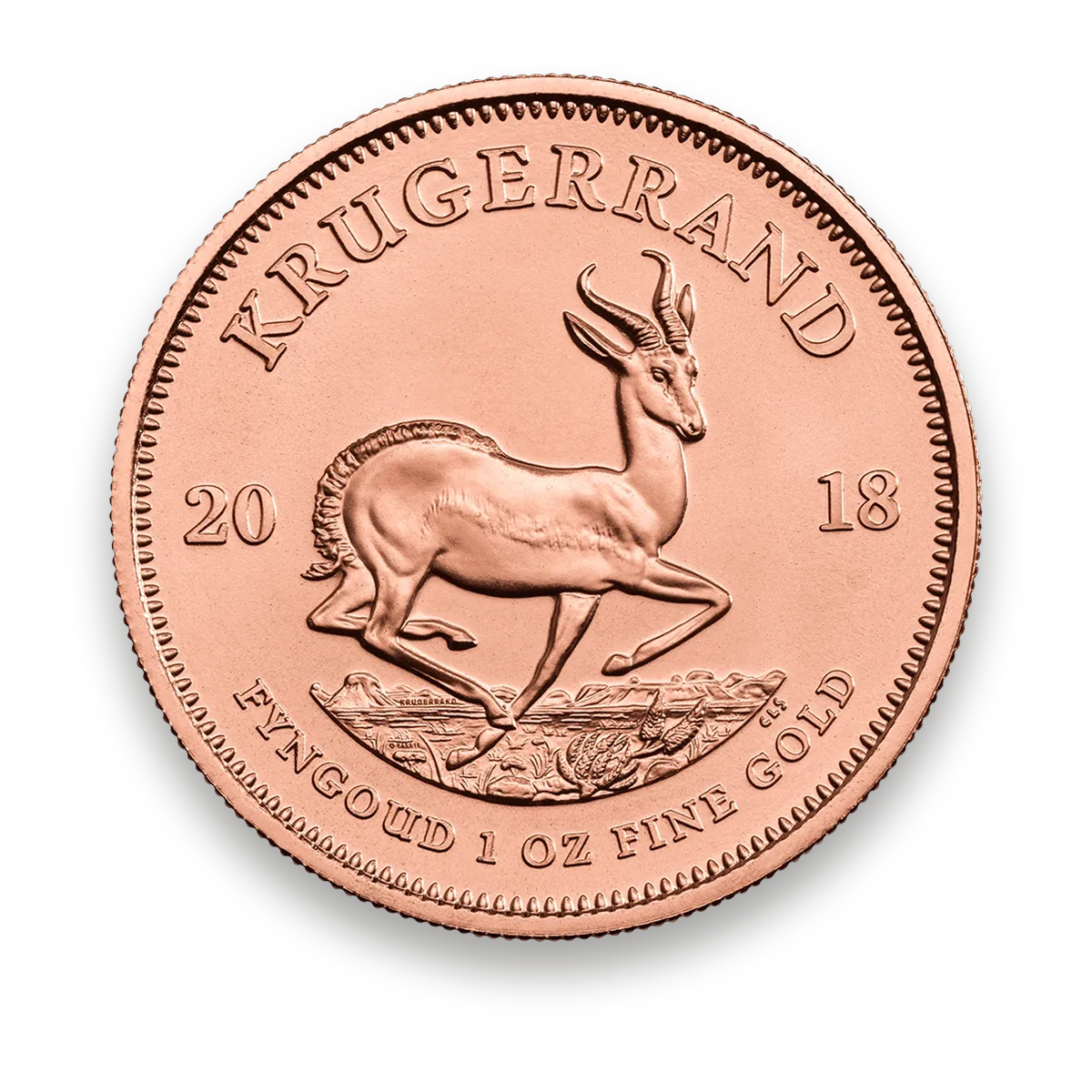
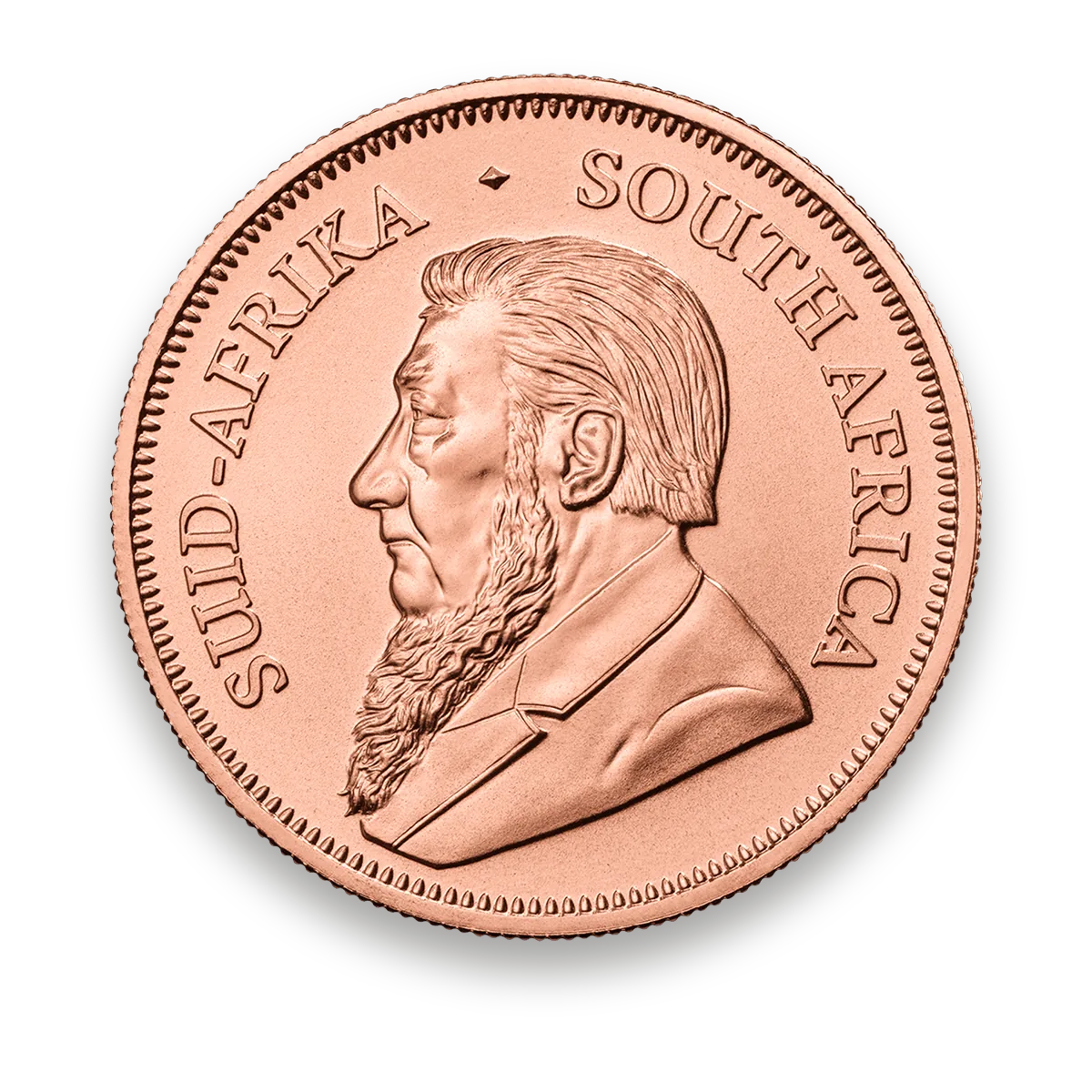
The South African Krugerrand is a good example. It weighs 33.93 g in total, its gross weight. At 916.7 fineness, 31.10 g of that is pure gold, exactly one troy ounce. The rest is mainly copper, which gives the coin its reddish tone and makes it harder and more resistant to scratches. The American Eagle gold coin follows the same idea with a mix of silver and copper.
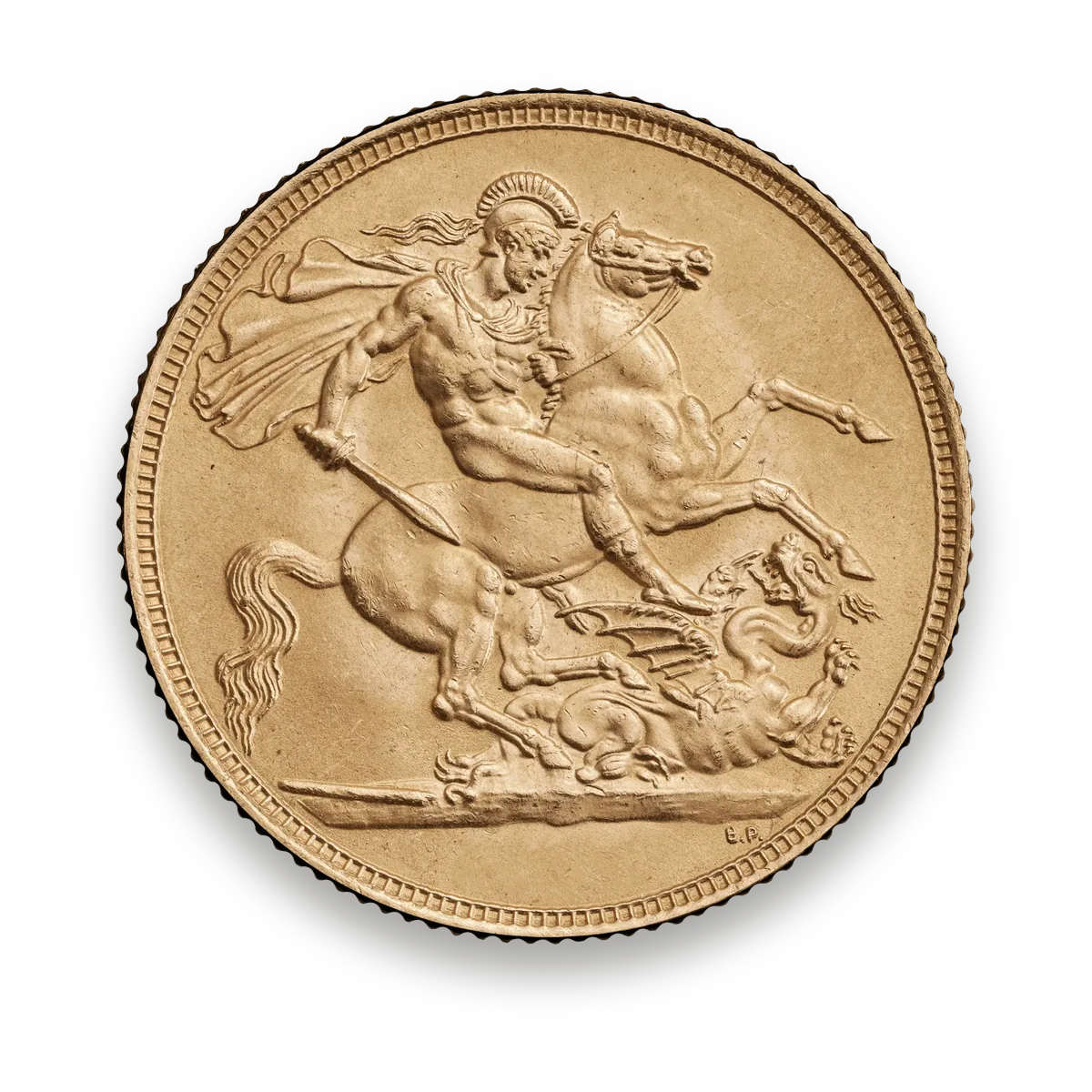
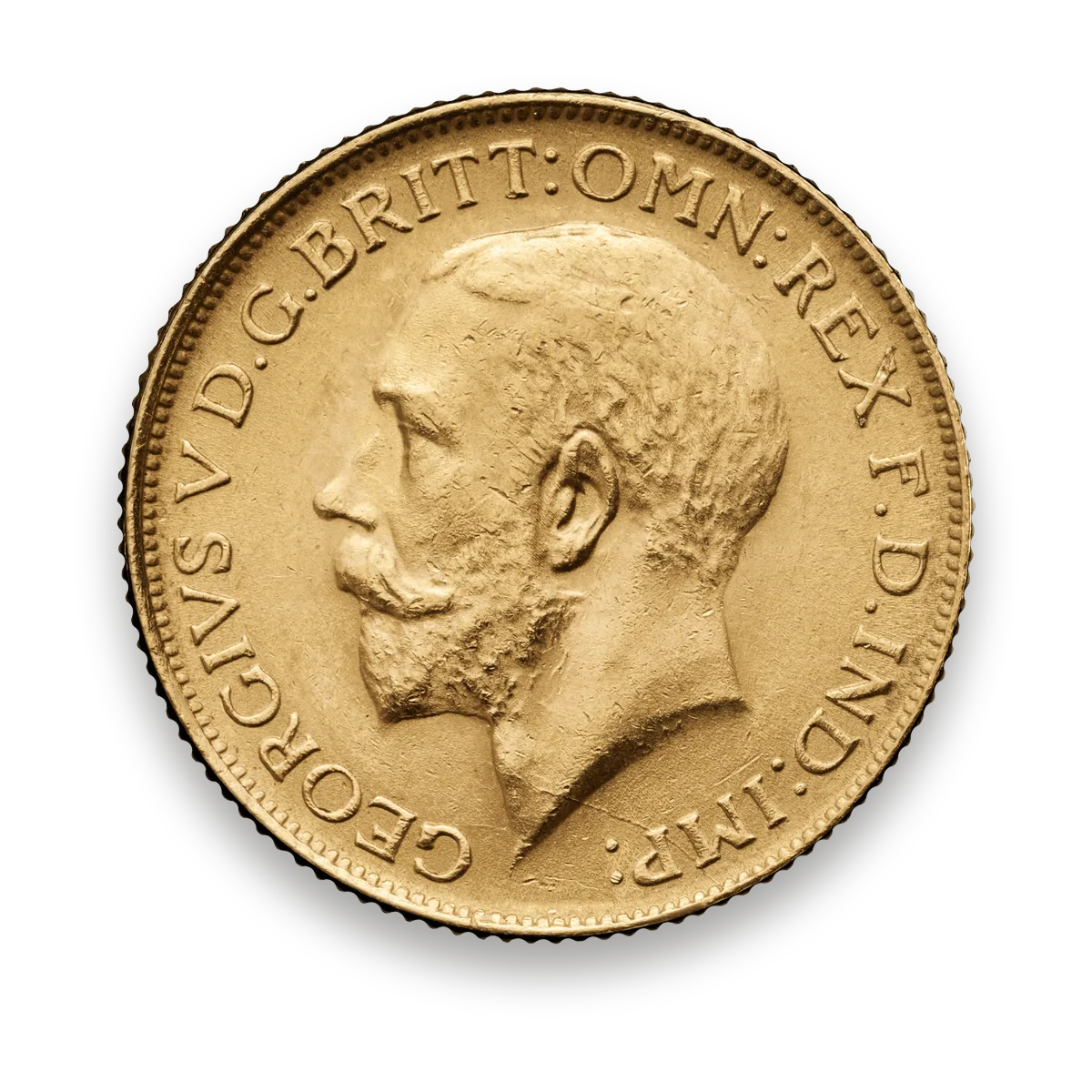
The British Sovereign works the same way at a smaller size: 7.98 g gross, of which 7.32 g is fine gold.
What this means in practice:
- A 1 oz Krugerrand and a 1 oz Britannia contain the same amount of gold.
- The extra alloy has no meaningful value in the price. You pay for the gold.
- 22-carat coins are tougher in handling; 24-carat coins scratch and dent more easily.
Gold Full Sovereign
What "fine weight" means on CC Holdings
Each product page on CC Holdings shows the weight, the purity and the premium over the market price. The fine weight is the amount of pure metal the piece contains, as distinct from its gross weight.
Prices are based on fine weight because that is what the wholesale market trades. The live price of each product is the spot price of its fine metal content plus the premium shown on its page, refreshed every minute. So the price of a Krugerrand is worked out on 31.10 g of gold, not on its 33.93 g gross weight.
When comparing products, compare fine weights and premiums, not gross weights. You can follow the metal price itself on the gold price chart. This guide isn't investment advice.
How to tell at a glance
You can usually see what you're holding without any equipment:
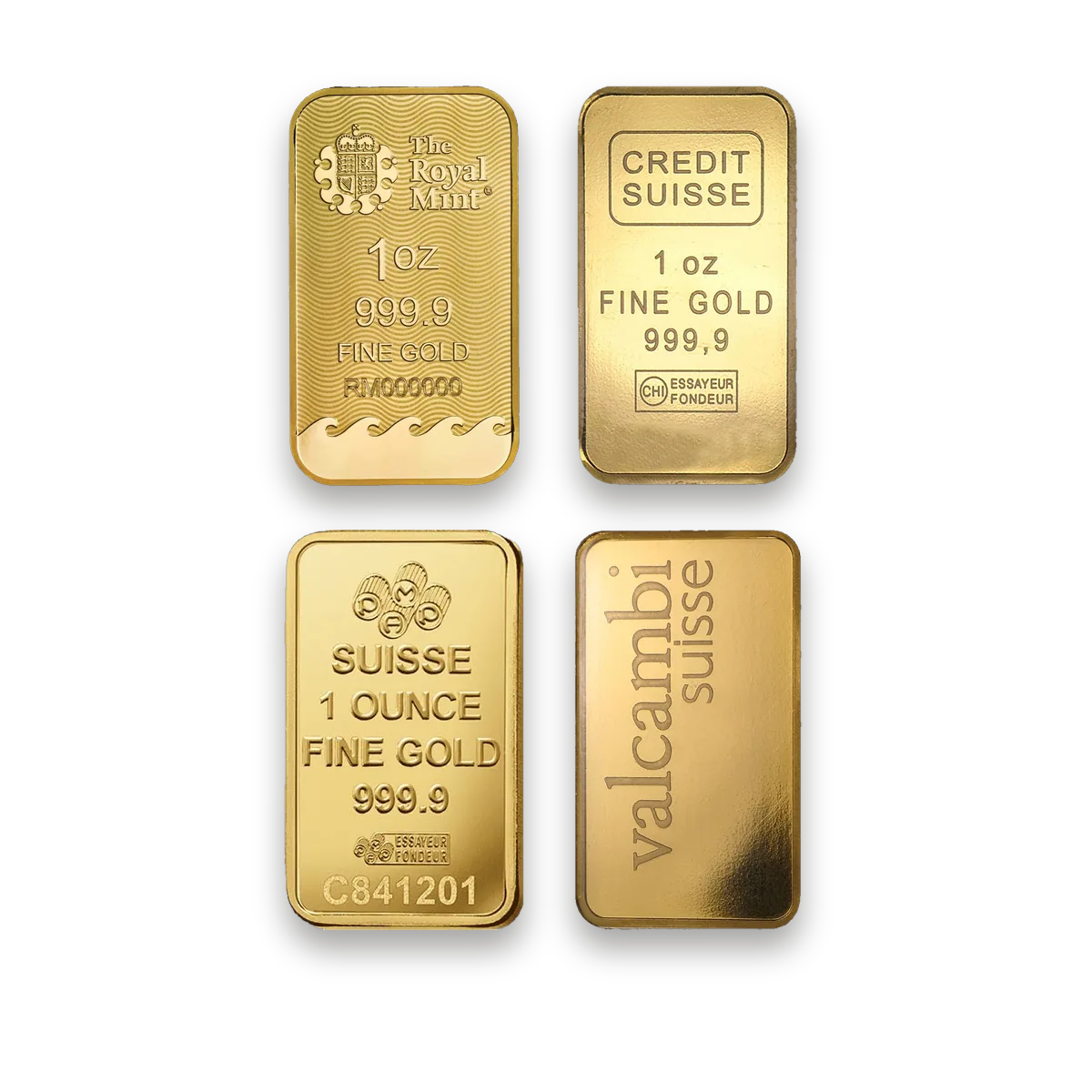
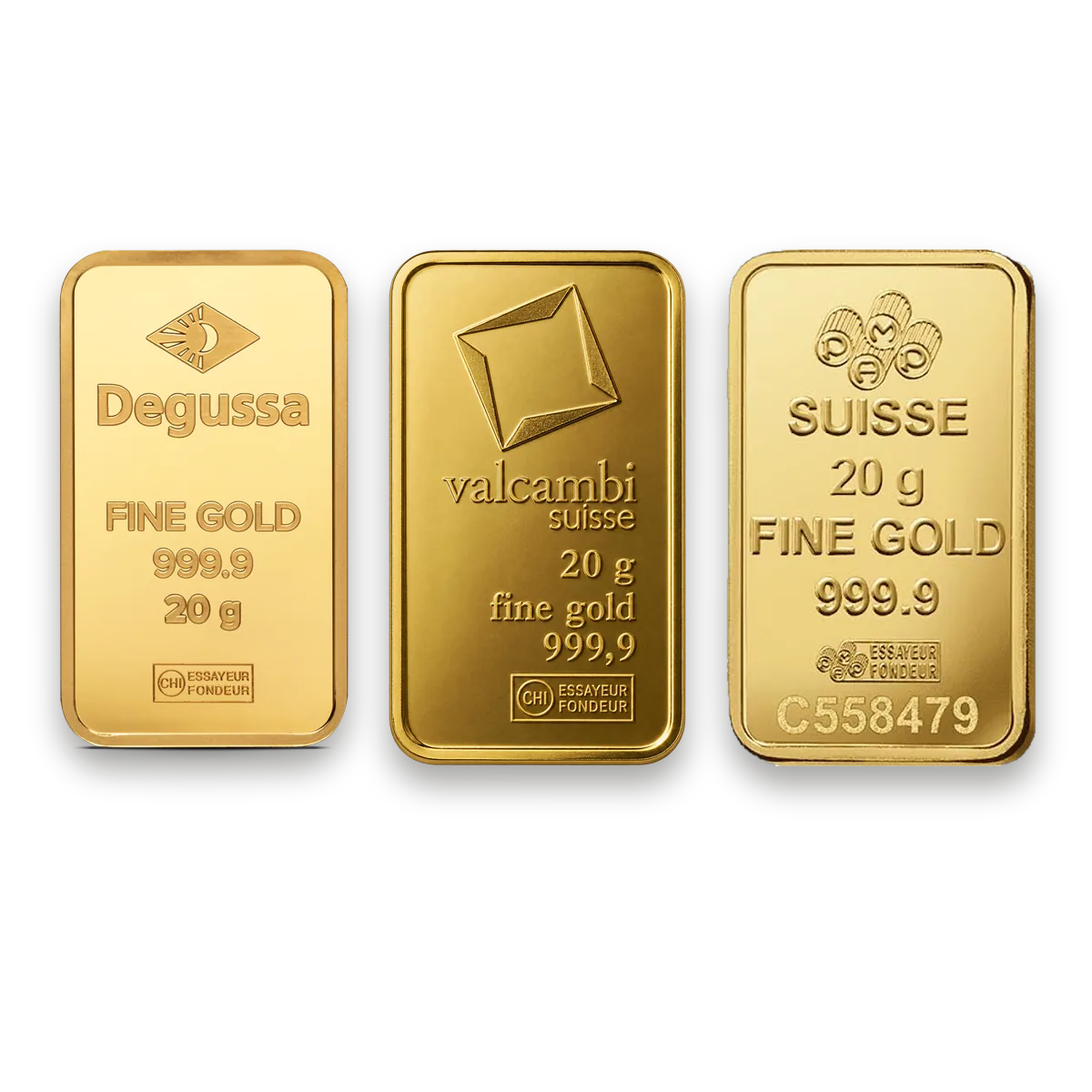
- Bars are stamped with the refiner's name or mark, the weight, the fineness and, for most bars, a serial number.
- Assay certificates come with many bars, often as a sealed card. The certificate states the weight and fineness, and its serial number should match the bar. Keep the card intact; many dealers prefer bars still in their original packaging.
- Modern bullion coins usually state their fine weight and fineness on the coin itself, such as "1 OZ FINE GOLD". Some traditional coins, including the Sovereign, don't, so it helps to know their specification.
- Mint marks and design details identify where and when a coin was struck. The issuing mint publishes the official weight, diameter and thickness of each coin.
Hallmarking rules for jewellery differ from country to country and don't usually apply to bullion coins.
Spotting fakes
Counterfeit coins and bars do exist, especially among popular products. Some simple checks help:
- Weight. Use an accurate scale that reads to at least 0.01 g, set to grams. A coin that is noticeably off its official gross weight is a warning sign.
- Dimensions. Measure the diameter and thickness with callipers and compare them with the mint's figures. Because gold is very dense, a fake made to the right weight often ends up the wrong size.
- Look and sound. Compare the details and finish with a known genuine piece or the mint's own images.
None of these checks is conclusive alone, and a well-made fake can pass some of them. The most reliable protection is to buy from an established, reputable dealer, and be cautious of prices well below the market. If you are buying for the first time, our guide on how to buy gold online walks through the process.
Common questions
Is a troy ounce the same as an ounce?
No. A troy ounce is 31.1035 g and an ordinary ounce is 28.3495 g. In precious metals, "oz" always means the troy ounce.
Is 24-carat gold better than 22-carat gold?
Not for value. A 1 oz coin contains one ounce of fine gold whether it is 22 or 24 carat. The difference is mainly in hardness and appearance, and which coins you prefer.
Why is my coin heavier than its stated weight?
The stated weight on a 22-carat coin is its fine weight. The gross weight includes the alloy, so a 1 oz Krugerrand weighs 33.93 g in total.
Do 22-carat coins count as investment gold for VAT?
In the EU, gold coins of at least 900 fineness that meet the other conditions count as investment gold, so 22-carat bullion coins usually qualify. Rules vary by country, so check with an adviser if you are unsure.