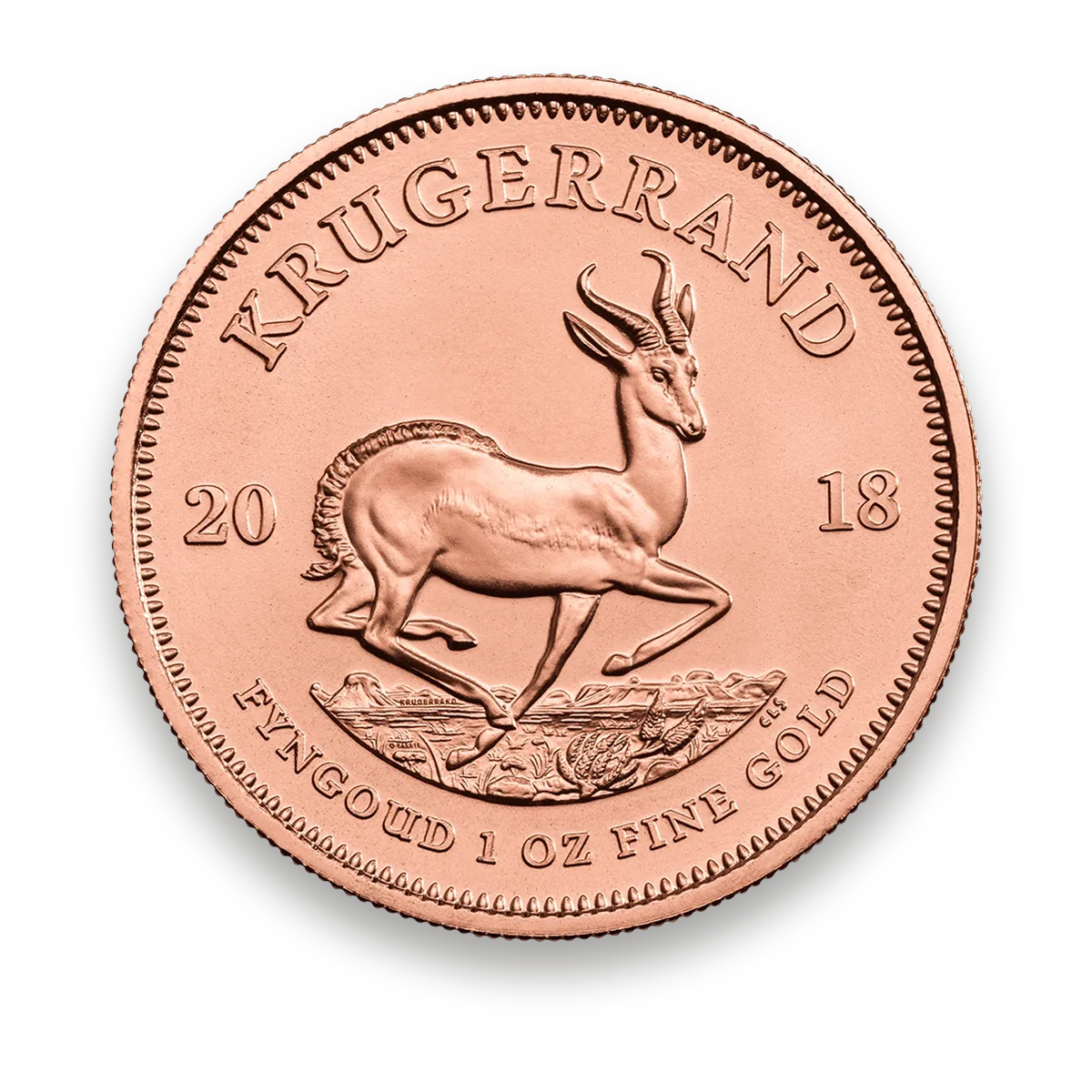
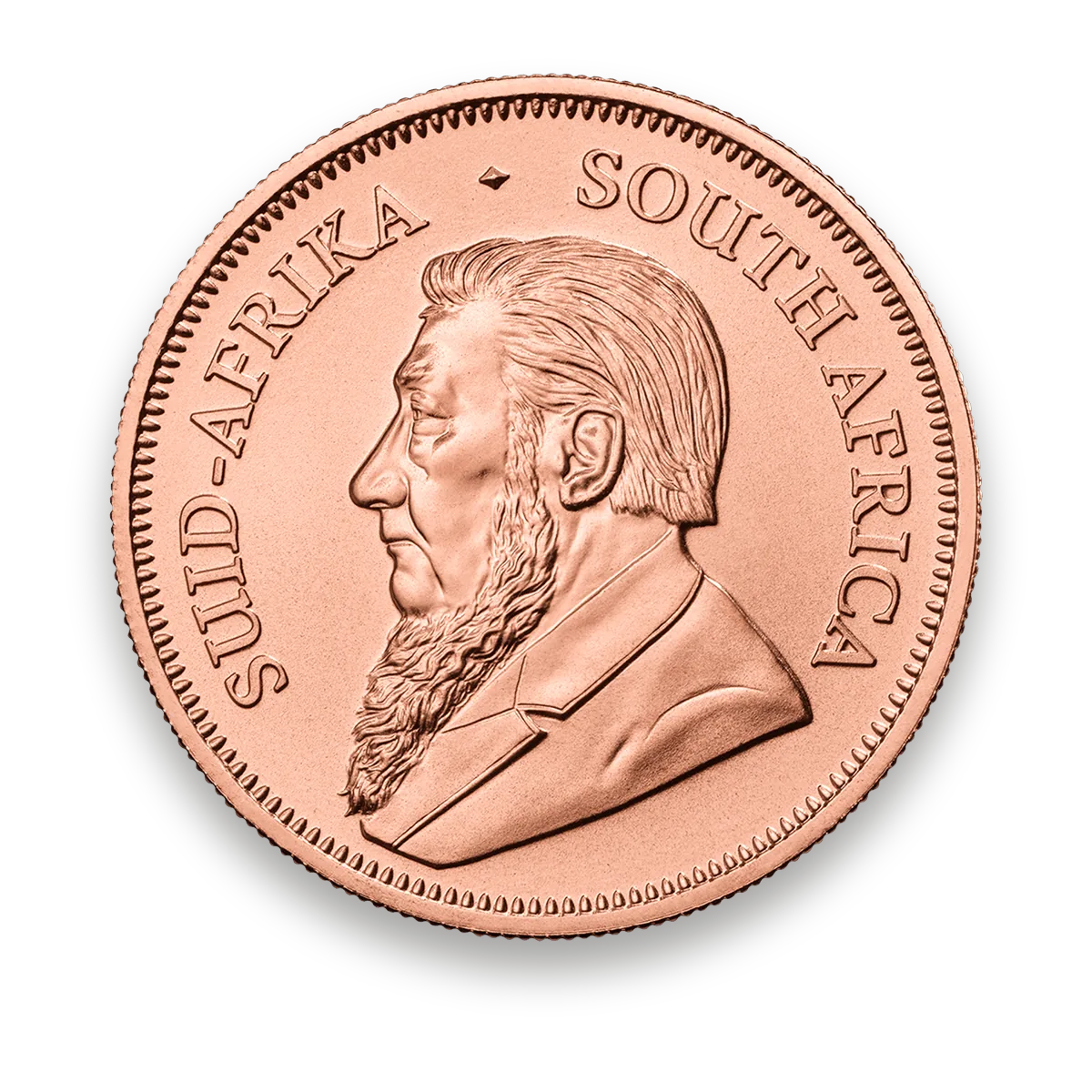
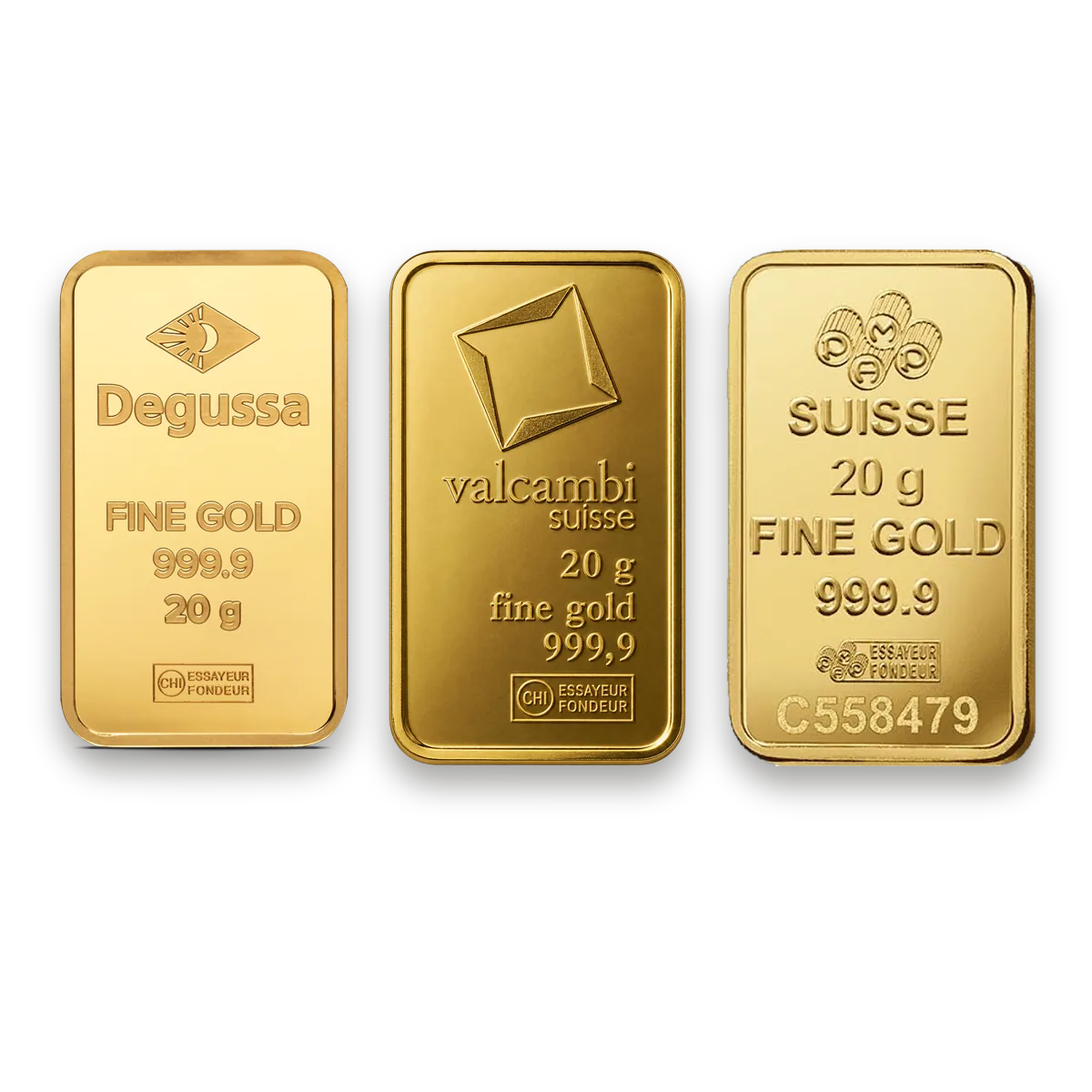
Gold coins or gold bars: which should you buy?
Gold coins and gold bars contain the same metal, but they differ in what you pay above the gold price, how easily they resell and how finely you can split your holding. This guide compares the two side by side so you can choose what fits your plans.
The short answer
For the same amount of gold, a bar usually costs least, and the bigger the bar, the lower its premium over the market price. On CC Holdings, gold bars go up to 1 oz. Coins cost a little more, but they are recognised by dealers almost everywhere and come in handy smaller sizes. Many buyers hold a mix of both.
The right choice depends on your budget, whether you might sell in small steps and where you live. This guide isn't investment advice; it explains the differences so you can decide.
Premiums: what you pay per gram
Every gold product is priced at the spot price of its fine gold plus a premium. The premium covers minting or refining, distribution and the dealer's costs. On CC Holdings, each product page shows its premium, and you can follow the underlying price on the gold price chart.
Two patterns hold across the range:
- Bigger pieces carry lower premiums per gram. Making and handling a small piece costs nearly as much as a large one.
- At the same weight, bars are usually a little cheaper than coins. Coins are more intricate to strike, and national mints set their own prices.
Premiums at the time of writing (they can change, so check the product page for the current figure):
| Product | Fine gold | Premium over spot |
|---|---|---|
| 1 g bar | 1 g | 18% |
| 1/10 oz Britannia | 3.11 g | 10% |
| Half sovereign | about 3.66 g | 9% |
| 5 g bar | 5 g | 9% |
| Full sovereign | about 7.32 g | 6% |
| 10 g bar | 10 g | 6% |
| 20 g bar | 20 g | 4.5% |
| 1 oz Krugerrand | 31.10 g | 3.5% |
| 1 oz Britannia | 31.10 g | 4% |
| 1 oz bar | 31.10 g | 2.8% |
At one ounce, the gap between a bar and a popular coin is around one percentage point. Size matters far more than shape.
Recognisability and resale
When you sell, the buyer has to be confident your gold is genuine. That is where coins have an edge.
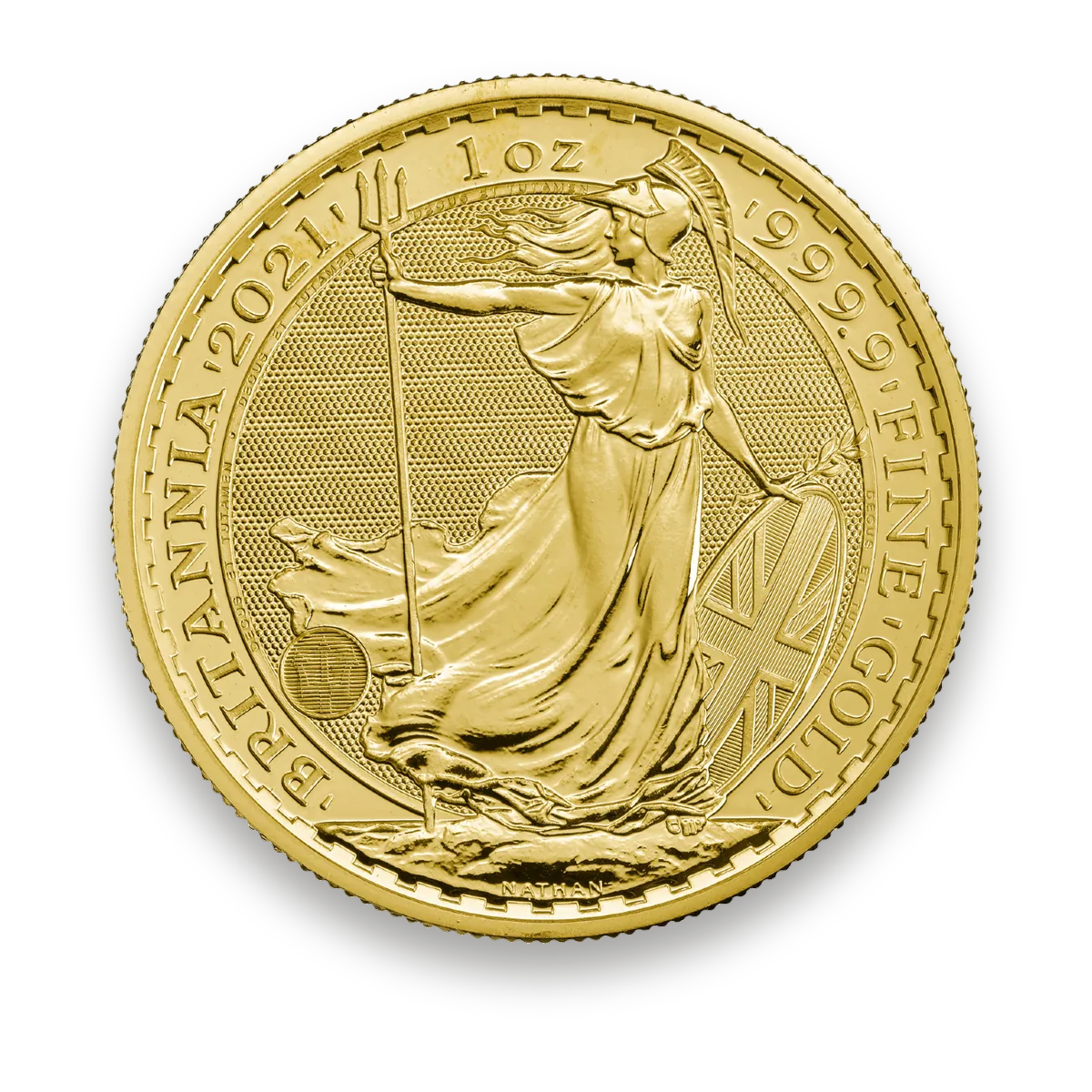
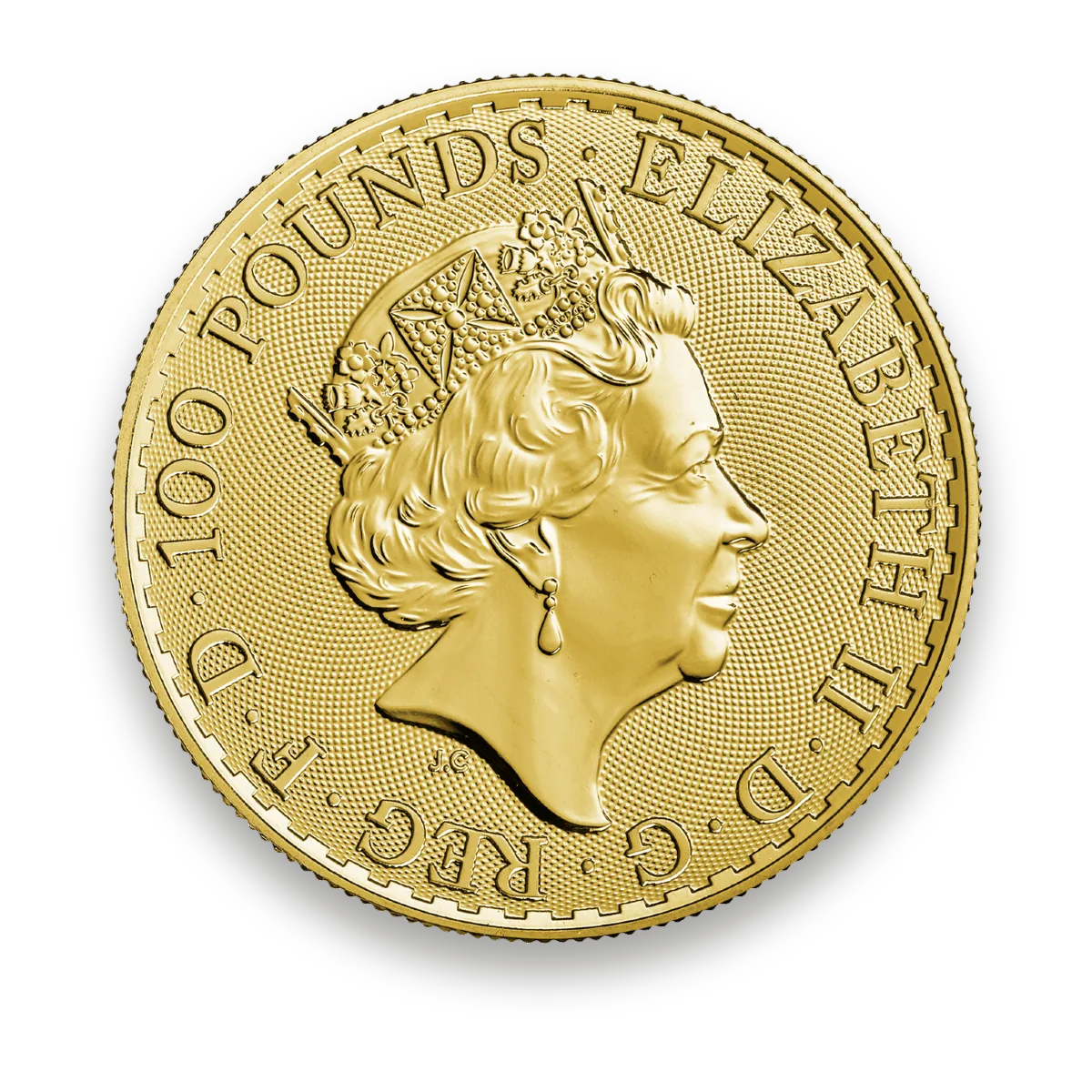
- Bullion coins such as the Britannia, Krugerrand, Maple Leaf and Vienna Philharmonic are made by national mints to a fixed design, weight and size. Dealers see them every day and can check them quickly.
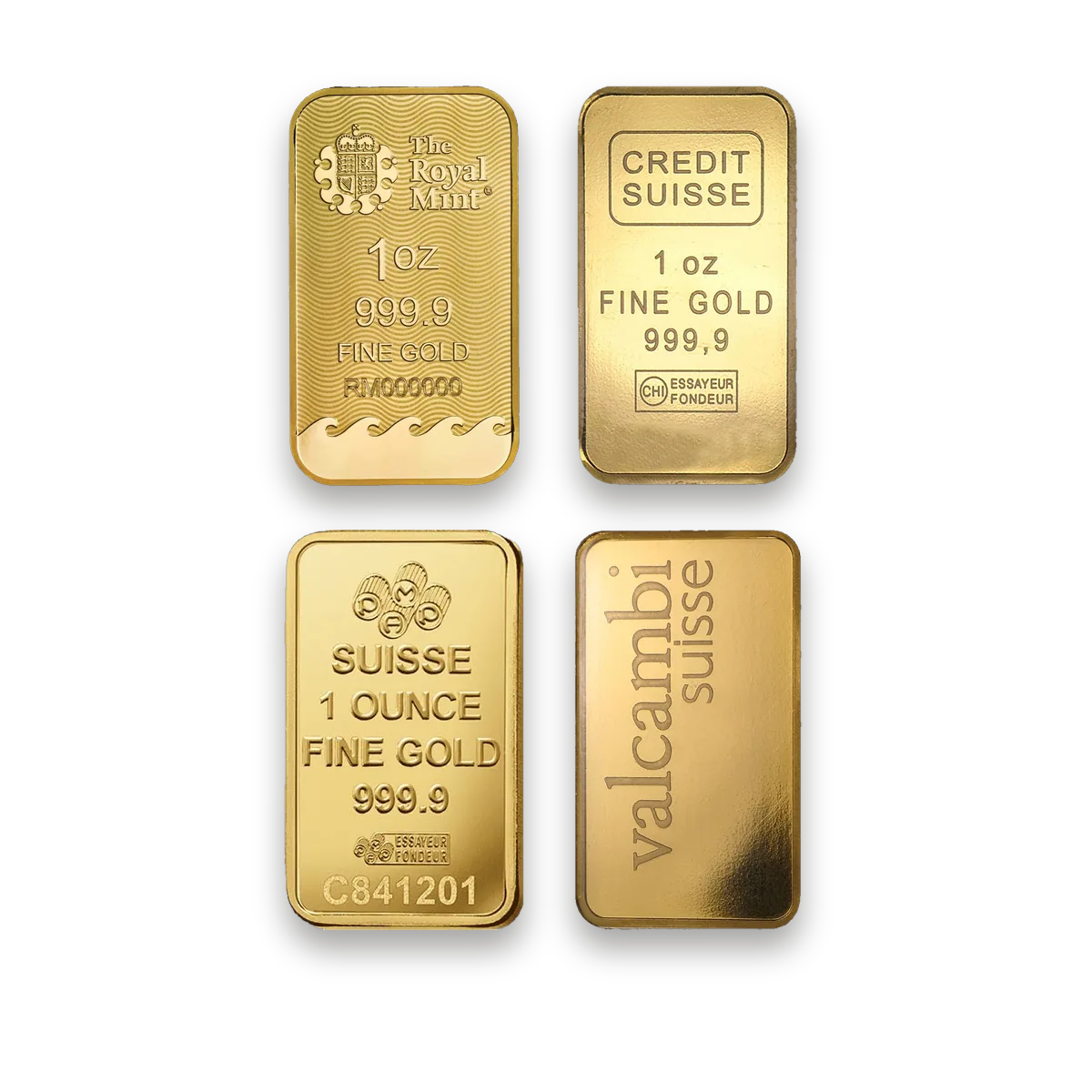
- Bars from well-known refiners also resell easily, especially in their original sealed packaging with a serial number and certificate. Bars from less familiar makers may need more checking, and some buyers offer less for them.
Dealers typically pay a little below spot for widely recognised products. Your real cost is the premium you pay when buying plus the discount you accept when selling: a bar's low premium helps on the way in, a coin's recognition on the way out. When you are ready to sell, CC Holdings buys back gold coins and bars at 97% of the live spot value of their fine gold, with no fees or commission: request a quote on our Sell to us page.
Divisibility: small or large pieces
Gold can't be sold in slices. If you hold a single large bar and need only part of its value, you have to sell the whole bar. Holding several smaller pieces lets you sell only what you need.
That flexibility costs money, as the premium table shows. A practical middle path for many buyers is the 1 oz size, in coin or bar form: the premium is already fairly low, and it is still a manageable amount to sell at once.
At small sizes, coins and bars are close in price per gram, so recognisability and the VAT point below may matter more than the shape.
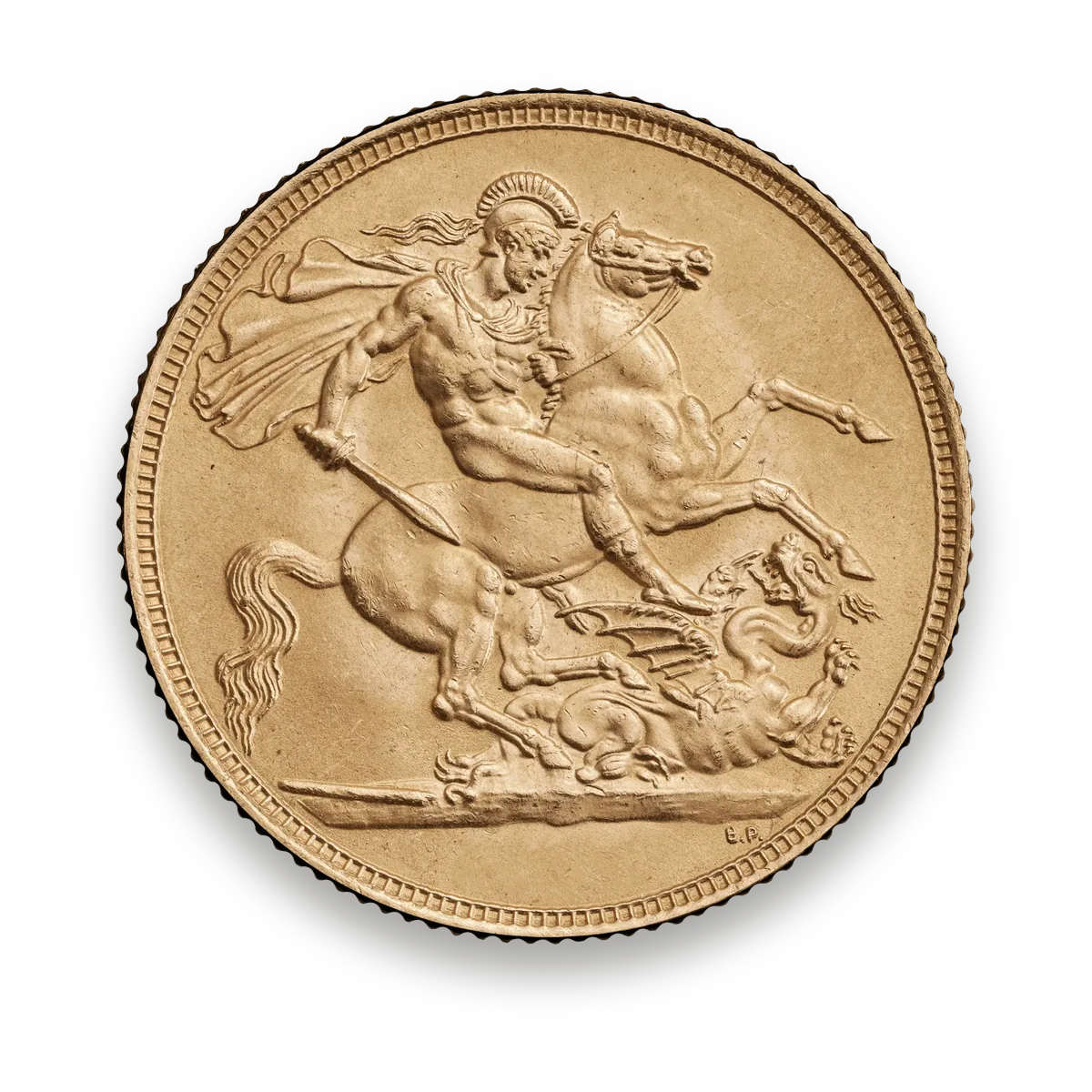
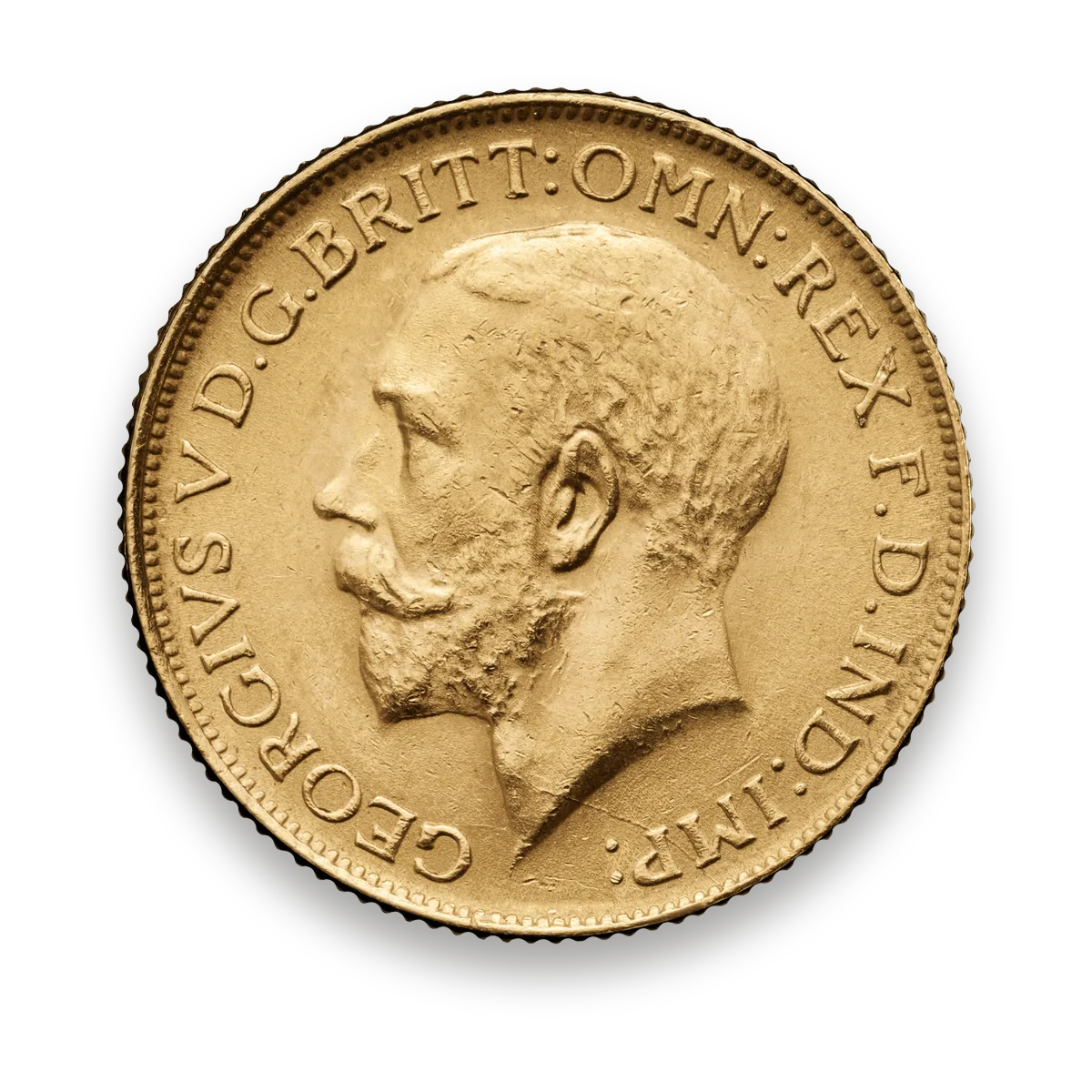
Gold Full Sovereign
VAT and tax
In the UK, the EU and Switzerland, investment gold is exempt from VAT, and that covers both coins and bars. Under EU rules, bars need a fineness of at least 995, and coins at least 900, minted after 1800, legal tender in their country of origin and sold for no more than 180% of their gold value. All the gold coins on CC Holdings meet these criteria.
There is one exception to know about. France and Italy only treat gold bars heavier than 1 g as investment gold, so the 1 g gold bar carries 20% VAT in France and 22% in Italy. Every price on the site already includes any VAT due for your delivery country, and the basket and invoice show it separately.
Deliveries to Switzerland, the US, Canada and the UAE are exports, so no UK or EU VAT is charged, but you may have to pay import taxes or duties on delivery. In the US, state sales tax on bullion also varies from state to state.
Tax on selling also differs. In the UK, for example, some British legal-tender coins such as Britannias and sovereigns are generally exempt from Capital Gains Tax for individuals. Rules change and depend on your situation, so check with a tax adviser where you live.
Storage and counterfeits
Storage
Gold is dense, so even a large holding takes up little room. Bars stack neatly and are the most compact way to store a given weight. Coins take a little more space and are best kept in tubes or capsules, since scratches can make some buyers offer less. Either way, consider a safe or a bank safe deposit box, and check whether your home insurance covers precious metals.
Counterfeits
Fakes exist for both coins and bars. The best protection is buying from an established dealer rather than a stranger or an online marketplace. Beyond that:
- Modern bullion coins from major mints include security features such as fine radial lines, and each has a known weight, diameter and thickness.
- Bars from recognised refiners carry a serial number, fineness and weight stamp, and small bars usually come sealed in a card with a certificate. Keeping that packaging intact makes resale simpler.
- Larger bars are a more tempting target for counterfeiters, because a single fake is worth more. Dealers use tests such as precise weighing and measuring to check them.
Which suits whom
| If you… | Consider | Why |
|---|---|---|
| want the most gold for your money | 1 oz bars, our largest gold bars | Lowest premium per gram in our range |
| want a balance of cost and flexibility | 1 oz coins, 1/2 oz coins or 20 g bars | Low premium, easy to sell in steps |
| value easy resale anywhere | Well-known bullion coins | Recognised by dealers worldwide |
| want to buy in small amounts | Sovereigns, fractional coins or 5–10 g bars | Lower outlay, higher premium per gram |
| live in France or Italy and want small bars | 5 g or larger bars, or small coins | The 1 g bar carries VAT there |
| are in the UK and thinking about tax on selling | British coins such as Britannias or sovereigns | Often CGT-exempt for individuals; check with an adviser |
When you have decided, our guide on how to buy gold online walks through ordering and paying.
Common questions
Is a coin worth more than a bar of the same weight?
Not in gold content: both contain the same fine gold. A coin usually costs a little more and may be easier to sell, but its value follows the gold price just like a bar's.
Are 22-carat coins a worse deal than 24-carat ones?
No. A Krugerrand or a sovereign contains its full stated weight of fine gold; the alloy only adds weight and hardness. Compare products on fine gold content and premium, not on carats.
What is the cheapest way to buy gold per gram?
Usually the largest bar you are comfortable holding; on CC Holdings that is the 1 oz gold bar. Remember that a single large bar has to be sold in one go, so weigh the lower premium against the loss of flexibility.
Do I pay VAT on gold coins or bars?
Not in the UK, the EU or Switzerland, where investment gold is exempt. The one exception on CC Holdings is the 1 g bar delivered to France or Italy. The price you see already includes any VAT due.